

CABERNET FRANC
CASTAS
5/25/20264 min ler
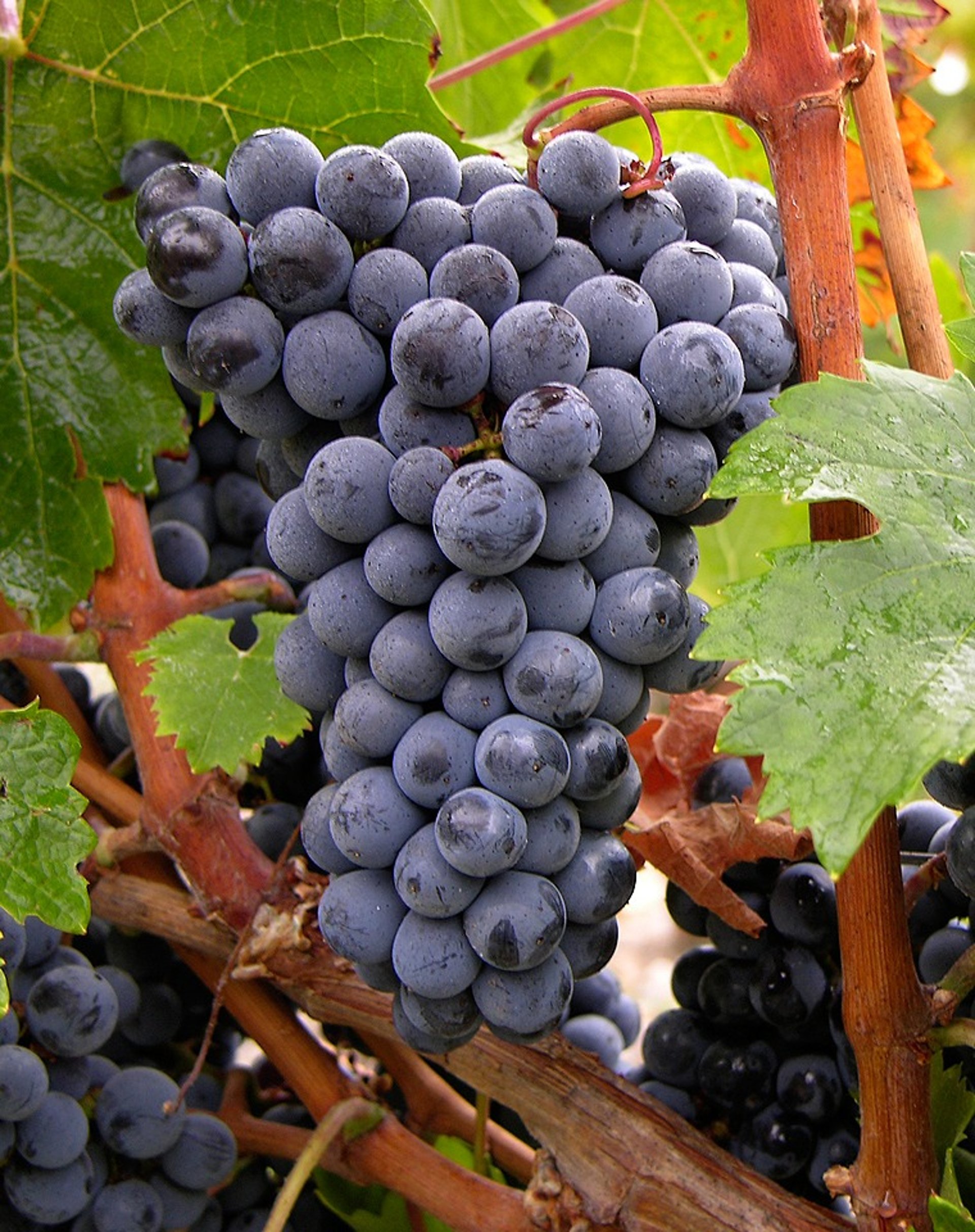
A Cabernet Franc é uma das uvas mais importantes e históricas do mundo do vinho, muitas vezes chamada de "a mãe" de outras variedades icônicas. Estudos genéticos indicam que sua origem remonta ao País Basco, tendo ligações com uvas locais como a Morenoa e a Hondarribi Beltza, e foi disseminada pela França através de monges durante a Idade Média. A sua relevância histórica é colossal: a Cabernet Franc é a mãe biológica de uvas famosíssimas como a Cabernet Sauvignon (nascida de um cruzamento espontâneo com a branca Sauvignon Blanc), a Merlot e a Carménère
A Assinatura da Uva: O Famoso "Toque Verde"
A assinatura aromática mais famosa da Cabernet Franc é o seu toque herbáceo, frequentemente associado a pimentão verde.
O segredo das pirazinas: Esse aroma é causado por compostos químicos naturais chamados metoxipirazinas (especificamente o IBMP), que atuam como uma defesa natural da videira contra pragas.
Evolução no copo: Quando a uva amadurece bem ao sol, esse "pimentão" dá lugar a notas complexas de frutas vermelhas (como morango e framboesa), grafite, tabaco e até um toque de cacau.
Na boca: Diferente da sua filha Cabernet Sauvignon, que pode ser bem agressiva e amarrar a boca, a Cabernet Franc entrega um vinho mais redondo, com taninos macios, corpo médio e uma acidez vibrante que faz a boca salivar.
Os Dois Estilos Clássicos da França
A França é o berço onde a Cabernet Franc dita as regras do jogo, mas ela se manifesta de duas formas bem diferentes no país. É quase como uma artista que muda de figurino dependendo do palco.
O Estilo Estruturado de Bordeaux
Aqui, a uva raramente é a estrela principal. É usada em cortes (misturas) na cobiçada Margem Direita (Saint-Émilion e Pomerol) junto com Merlot e Cabernet Sauvignon, trazendo frescor, aromas florais e acidez para equilibrar o álcool. O estilo bordalês é mais rústico, estruturado e potente, com notas de couro, ervas secas, tabaco e taninos mais firmes.
A Elegância Pura do Vale do Loire
Em denominações como Chinon e Bourgueil, o clima mais frio permite que a uva brilhe sozinha em vinhos 100% varietais. O estilo do Loire é focado na elegância, leveza e frescor, com aromas de chá preto, violetas secas e frutas vermelhas silvestres. São vinhos extremamente gastronômicos e celebrados como tintos que podem ser servidos levemente resfriados ("chillable reds")
O Renascimento da Cabernet Franc na América do Sul
Se o Velho Mundo inventou a receita, os produtores sul-americanos estão adicionando temperos novos e fascinantes a essa casta.
O Retorno Triunfal no Brasil: A uva não é novidade por aqui; introduzida no Rio Grande do Sul por volta de 1900, foi a tinta dominante nas décadas de 1970 e 1980. Após perder espaço por questões produtivas, ela ressurge agora com grande força através de clones melhores em regiões como a Campanha Gaúcha e o Vale dos Vinhedos. Os enólogos brasileiros exploram tanto o estilo bordalês (mais encorpado e maduro) quanto o estilo do Loire (fresco e com alta acidez).
A Sensação das Altitudes na Argentina: Plantada em grandes altitudes no Valle de Uco (Mendoza), a uva é a grande aposta argentina para além do Malbec. O clima de sol intenso de dia e frio à noite da Cordilheira dos Andes cria um estilo único que mistura o frescor do Loire com a estrutura de Bordeaux, resultando em vinhos frutados (frutas em compota), com excelente acidez, grafite e taninos presentes
A Influência Oceânica no Chile: O Vale de Colchagua vem oferecendo belos exemplares da uva em estilo varietal, com frutas negras maduras, chocolate ao leite e notas de pimenta, equilibrados pela influência dos ventos do Oceano Pacífico.
E no Resto do Mundo
Itália (Toscana): Na costa da Toscana (Bolgheri), a uva é pilar fundamental dos icônicos "Super Toscanos", gerando vinhos ricos, de grande corpo e guarda prolongada, frequentemente envelhecidos em carvalho francês.
Estados Unidos: É tratada como a grande estrela emergente de Nova York (Finger Lakes e Long Island), que encontrou nela uma uva perfeita para o seu clima. Também faz muito sucesso em regiões quentes da Califórnia (como Napa Valley e Paso Robles), gerando vinhos imponentes.
Austália: Produtores jovens estão resgatando a uva de seu papel coadjuvante nos cortes e criando varietais modernos, brilhantes e mais leves.
O Crescimento no Mercado Atual
A "era de ouro" atual da Cabernet Franc é impulsionada pela mudança no comportamento dos consumidores (especialmente os mais jovens), que buscam vinhos menos pesados, mais equilibrados e fáceis de harmonizar com comida, fugindo da previsibilidade de castas como a Cabernet Sauvignon pura. Paralelamente, sua resistência térmica natural faz com que seja uma aposta segura para os produtores em tempos de aquecimento global.
Como Servir e Harmonizar a Cabernet Franc
Para aproveitar ao máximo o seu vinho, sirva-o ligeiramente abaixo da temperatura ambiente, entre 15°C e 20°C, em uma taça universal para vinhos tintos. Se o rótulo for mais encorpado ou envelhecido, vale deixá-lo respirar por uns 30 minutos no decanter.
Na mesa, a alta acidez e os taninos moderados fazem dela um verdadeiro curinga.
A grande regra de ouro é combinar esse vinho com pratos que usem ervas aromáticas reais, como alecrim, tomilho ou orégano, que conversam diretamente com o lado herbáceo da uva. Ela brilha acompanhando um lombo suíno assado, cordeiro, pizzas bem recheadas e pratos com molho de tomate.
Se a ideia for montar uma tábua de queijos, aposte em queijos de cabra ou em um bom queijo Canastra bem maturado e gorduroso. A acidez do vinho vai cortar a gordura do queijo, deixando o seu paladar pronto para o próximo gole.