


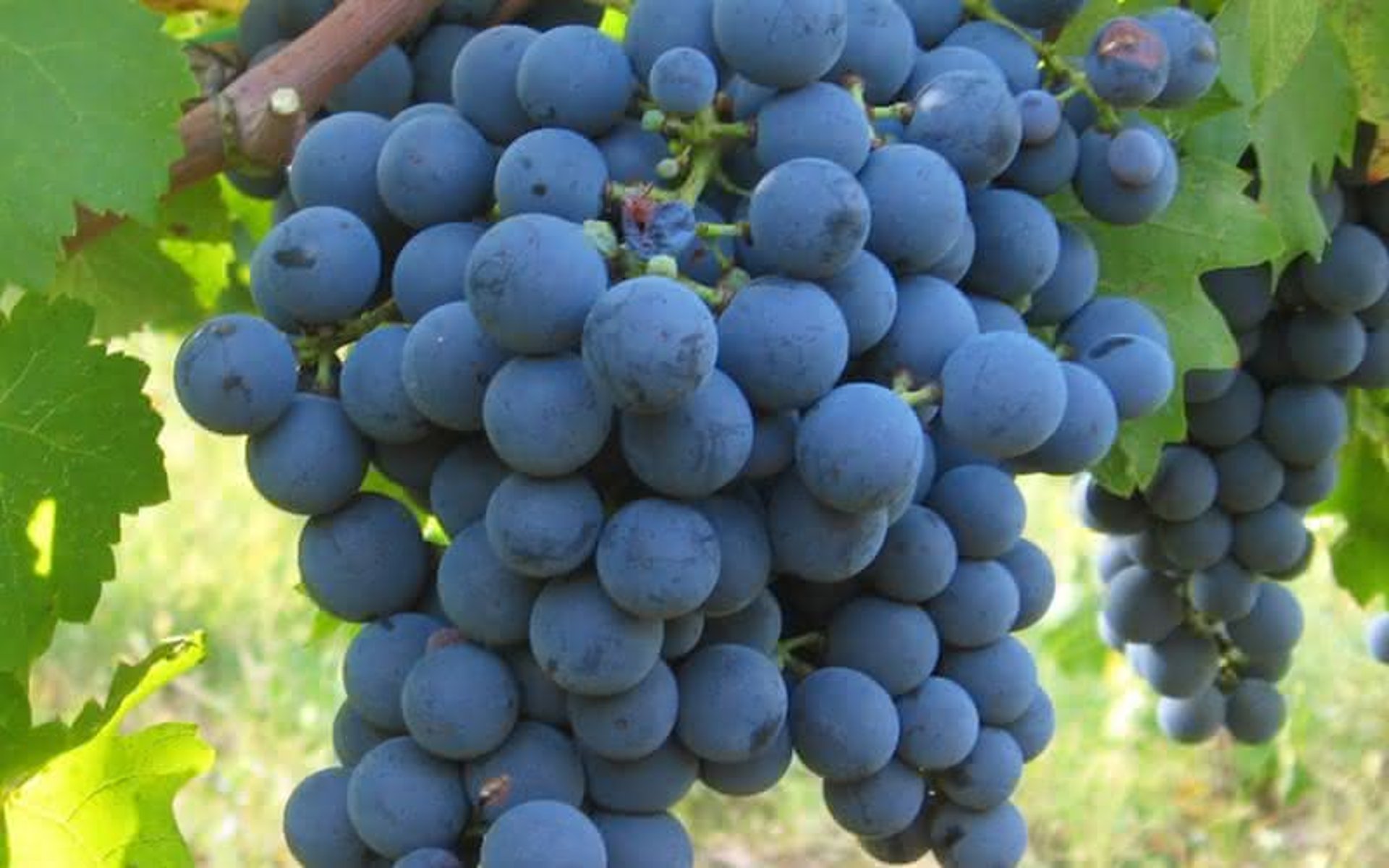
CARMÉNÈRE
CASTAS
5/28/20264 min ler
Introdução e Origem
A Carménère é uma uva originária da famosa região de Bordeaux, mais especificamente da área do Médoc, na França. Apesar do seu berço europeu, ela tornou-se a grande uva emblemática e símbolo nacional do Chile, além de possuir uma força surpreendente de produção na China.
História, Curiosidades e a "Dupla Identidade"
A Peste da Filoxera: Antes do século XIX, a uva era frequentemente utilizada em cortes bordaleses para agregar cor aos vinhos, ao lado de castas como a Petit Verdot. No entanto, nos anos 1860, a praga da filoxera devastou os vinhedos europeus. Por ser uma uva mais sensível, de rendimento baixo e difícil cultivo, ela foi praticamente abandonada na França após a praga, sendo considerada praticamente extinta do mundo.
O Esconderijo Perfeito: O que o mundo não sabia é que, antes da praga, mudas da cepa haviam sido levadas para o Chile. Como as folhas e os frutos da Carménère são extremamente parecidos com os da Merlot, os chilenos cultivaram-na por mais de um século acreditando tratar-se da uva Merlot (ou "Merlot Noir").
A Redescoberta: Em 25 de novembro de 1994, o ampelógrafo francês Jean-Michel Boursiquot visitava vinhedos da Viña Carmen, no Chile, e notou que algumas daquelas videiras de "Merlot" demoravam mais para amadurecer. Ele identificou que tratava-se, na verdade, da uva Carménère, perdida no tempo. Dois anos depois, o primeiro varietal da cepa foi produzido no país.
O Caso Chinês: De forma curiosa, a uva também havia sido introduzida na China no final do século XIX sob o nome de Cabernet Gernischt. Hoje, exames de DNA confirmam que o que os chineses chamam de Cabernet Gernischt é, na verdade, a Carménère.
Genética e Nome: Acredita-se que o seu nome derive da cor "carmim", graças aos seus vinhos de coloração vermelho profundo. A sua primeira citação ocorreu em 1783, e sabe-se que ela descende de um cruzamento da uva Cabernet Franc com a Gros Cabernet, sendo "meia-irmã" da Merlot e da Cabernet Sauvignon.
Características Vitivinícolas e Perfil do Vinho
A Videira: A Carménère é uma uva de maturação muito lenta, sendo frequentemente colhida de 4 a 5 semanas após a Merlot. O produtor precisa lidar com uma "janela de maturação" rigorosa: se for colhida cedo demais, os vinhos ficam com aromas agressivos e dominantes de pimentão verde; se colhida tarde demais (muito madura), a uva perde sua acidez e frescor rapidamente.
O Marcador "Verde" (Pirazinas): O caráter aromático mais distintivo da uva são as suas intensas notas herbáceas (que lembram grama, pimentão verde, eucalipto e pimenta verde), vindas de componentes químicos chamados metoxipirazinas (IBMP).
O Vinho (Aromas e Sabores): Além dos toques vegetais e de especiarias (como páprica e pimenta-do-reino), exala potentes aromas de frutas vermelhas e negras (framboesa, morango, cereja, ameixa e amora) em um estágio frequentemente próximo à geleia ou compota. Toques terrosos (terra úmida) também são comuns. Quando estagia em madeira, adquire clássicas notas de baunilha, chocolate e fumaça.
Estrutura no Paladar: Apresenta corpo médio a pleno, com acidez moderada e teores alcoólicos que chegam a 14% ou 15%. Um de seus grandes charmes é possuir taninos muito macios, redondos e aveludados, o que a torna prazerosa para consumo ainda jovem.
Principais Regiões Produtoras e seus Estilos
Chile (O Berço Adotivo) - Hoje o principal produtor da casta (frequentemente trocando a primeira posição em área plantada com a China), produzindo vinhos de grande pureza de fruta e acidez refrescante, focados no prolífico Vale Central. As sub-regiões chilenas de maior destaque são:
Vale do Maipo: Com influência refrescante dos Andes, gera Carménères mais elegantes, mais leves e com notas florais (hibisco, rosa) e traços minerais/grafite.
Vale de Cachapoal (Peumo): A sub-zona de Peumo é famosa por gerar alguns dos Carménères de mais alta gama do país. Entrega vinhos mais encorpados, com notas intensas de pimenta verde, frutas vermelhas doces, álcool alto e enorme potencial de guarda (passando de 15 anos).
Vale de Colchagua (Apalta): De onde vem a grande maioria dos Carménères do mercado. Em Apalta, uma sub-região cravada entre os Andes e o Pacífico, os vinhos são mais estruturados em taninos, super frutados (framboesas ricas), com pouquíssima característica herbácea e grande afinidade com o carvalho.
China: A grande rival em números de área plantada. Nas regiões chinesas (como em Ningxia), a Cabernet Gernischt costuma aparecer em cortes com outras uvas bordalesas, entregando vinhos com altíssimas notas de pimentões verdes e pimentas picantes.
Outras regiões: Encontra-se também na Itália (sob o nome Carmenero), França (em proporções quase nulas de até 1% nos cortes bordaleses), Brasil, Argentina e Estados Unidos.
Serviço e Harmonização
Serviço: Deve ser degustada levemente abaixo da temperatura ambiente, entre 15°C e 20°C (60-68°F), permitindo que os aromas se abram sem que o alto álcool evapore. É recomendado usar uma taça de vinho tinto universal e decantá-lo por cerca de 30 minutos antes do consumo. Bons exemplares podem envelhecer bem entre 5 e 10 anos na adega, desenvolvendo interessantes notas de couro.
Harmonização Gastronômica: Graças aos taninos macios e ao frescor moderado, é uma uva imensamente versátil.
Carnes e Embutidos: O par ideal são as carnes vermelhas mais magras e de peso médio, como o filé mignon, além de carnes de porco assadas e churrasco. Vai muito bem com aves mais pesadas, como peru e pato, e tábuas de queijos e embutidos (para as versões mais simples da uva).
Molhos de Ervas: A harmonização perfeita envolve usar condimentos verdes nas carnes que complementem o sabor herbáceo da uva, como molho chimichurri, molhos verdes, hortelã e pesto de salsa.
Pratos Comuns e Vegetarianos: Combina maravilhosamente com macarronadas com azeitona e molho de tomate intenso, frutos do mar com temperos carregados (especiarias), sopas de feijão branco e couve, e pimentões assados.