
Champagne’s Prestige Cuvées: The Icons of Luxury
More Than Just Bubbles
1/23/20263 min ler
We all know Champagne is the drink of celebrations, but within this famous region of France, there is a secret hierarchy. At the very top sits the Prestige Cuvée. This term refers to the "best of the best"—the most expensive and highest-quality wine that a Champagne house produces.
Making a Prestige Cuvée is an act of extreme patience. While standard Champagnes might be released after two or three years, these icons often rest in dark, chalky cellars for a decade or more before they reach your glass. They are not just sparkling wines; they are complex masterpieces of balance, texture, and history.
Dom Pérignon: The Legend of the Monk
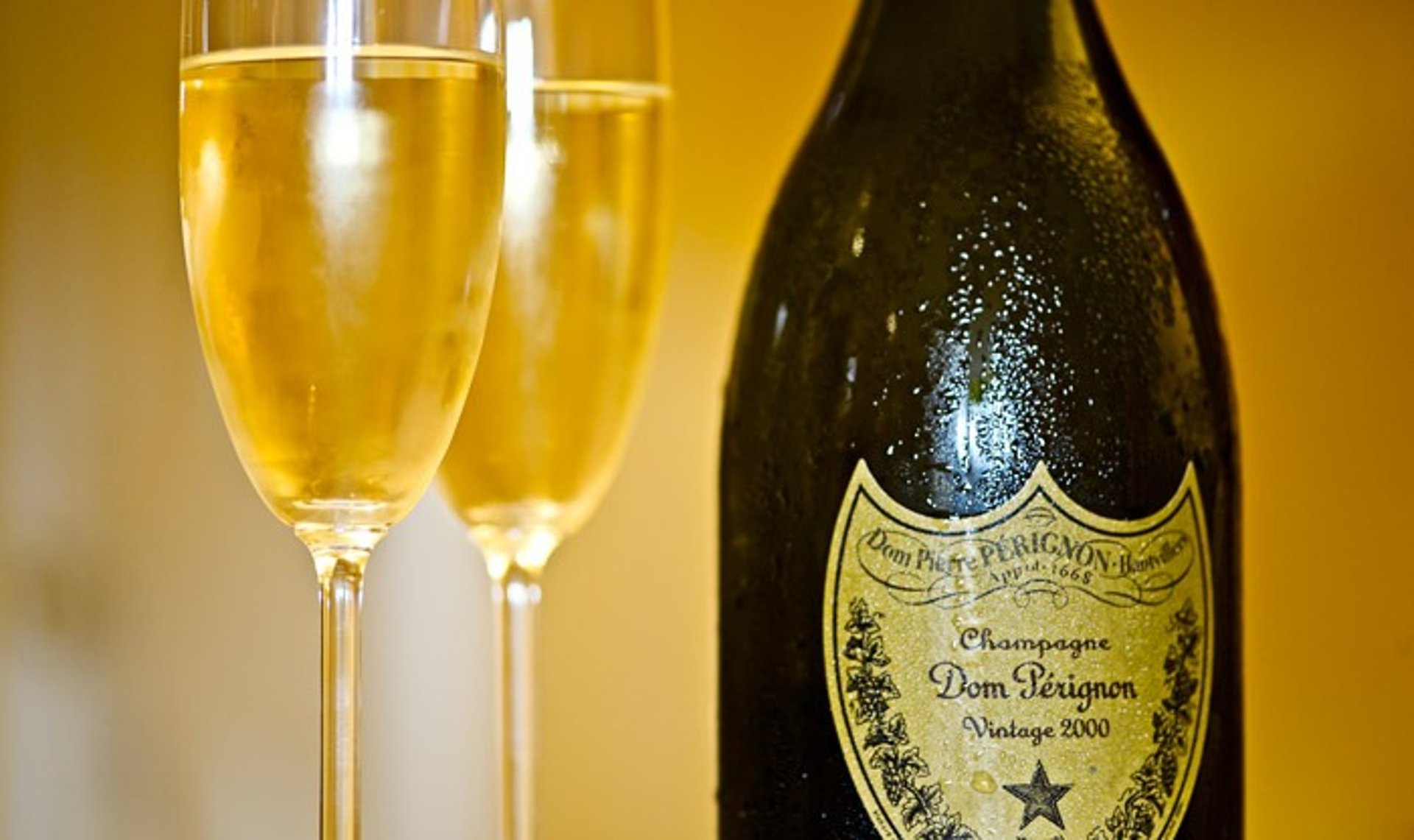
You cannot talk about luxury without mentioning Dom Pérignon. Named after the 17th-century Benedictine monk who made massive contributions to winemaking, this brand is the flagship of the giant Moët & Chandon house, yet it operates with total independence.
What makes Dom Pérignon unique is that it is always a vintage wine. This means they only produce it in years when the harvest is exceptional. If the grapes are not perfect, there is no Dom Pérignon that year. It is a blend of Pinot Noir and Chardonnay, known for its incredible "reductive" style—which in wine terms means it stays fresh, smoky, and mineral-driven for decades. It is the ultimate symbol of elegance and is often the first choice for royalty and celebrities around the world.
Krug: The Artisan’s Obsession
If Dom Pérignon is about the glamour of the vintage, Krug is about the obsession with the blend. Founded by Joseph Krug in 1843, this house follows a philosophy unlike any other. Their flagship wine, Krug Grande Cuvée, is not limited to a single year. Instead, it is a blend of over 120 different wines from ten or more different years.
At Krug, they maintain a "library" of reserve wines that are carefully kept separate based on their specific plot of land. Every year, the cellar master tastes hundreds of samples to recreate the most complex and rich Champagne possible. Krug is famous for fermenting its wines in small oak barrels, which gives the bubbles a creamy, toasty, and deep flavor that fans (known as Krugists) describe as life-changing.
The Art of the Long Wait
The real secret behind the price and prestige of these wines is time. In the cool cellars of Reims and Épernay, these bottles rest on their "lees" (the yeast cells from fermentation).
During this long sleep, a magical process called autolysis happens. The yeast breaks down and gives the wine flavors of toasted brioche, roasted nuts, and honey. While a standard bottle has a little of this character, a Prestige Cuvée has it in abundance. This is why a glass of Dom Pérignon or Krug doesn't just taste like fruit; it tastes like a bakery, a forest floor, and a fresh ocean breeze all at once.
Why They Stand Alone
Why are people willing to pay hundreds or even thousands of dollars for these bottles? It comes down to consistency and rarity.
The Selection: Only the best grapes from the best vineyards (Grand Crus and Premier Crus) are used.
The Texture: The bubbles in a Prestige Cuvée are much finer and "softer" on the palate than in cheaper sparkling wines.
The Longevity: These are some of the few sparkling wines in the world that actually get better with age. A bottle of Krug or Dom Pérignon from 20 or 30 years ago can be an even more profound experience than a young one.
Conclusion: A Toast to Excellence
Whether it is the vintage-driven precision of Dom Pérignon or the complex, multi-vintage mastery of Krug, these wines represent the pinnacle of French craftsmanship. They remind us that Champagne is not just for a quick toast, but a serious wine that deserves to be contemplated and savored. Next time you see that famous shield-shaped label of Dom Pérignon or the golden script of Krug, know that you are looking at centuries of history and a decade of patience, all captured in a single bottle.