

CHARDONNAY
A Rainha das Uvas Brancas
CASTAS
5/27/20264 min ler
Introdução e Origem
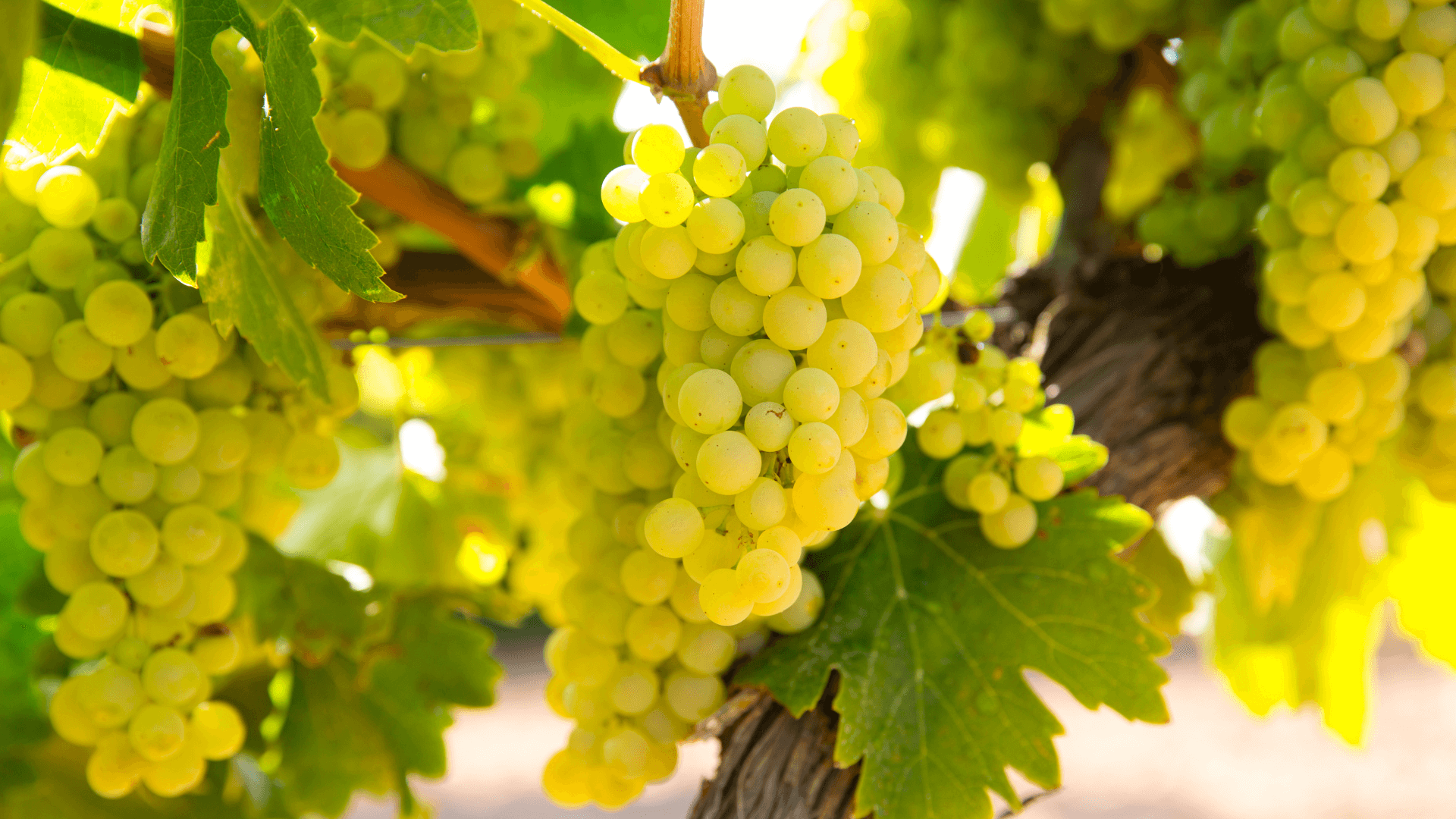
Conhecida mundialmente como a "rainha das uvas brancas", a Chardonnay é a variedade branca mais famosa e amplamente plantada do mundo, com mais de 200.000 hectares cultivados globalmente. A sua origem remonta à icônica região da Borgonha, na França. A uva conquistou produtores e consumidores pela sua enorme versatilidade climática e estilística, sendo frequentemente referida como a "uva do enólogo", pois permite grande liberdade criativa na adega. Ela também desempenha um papel crucial na produção de espumantes de luxo, sendo uma das três uvas base do Champagne e a única casta utilizada na elaboração dos prestigiados Champagnes Blanc de Blancs
A Videira e o Estilo (A Mais "Tinta" das Brancas)
Enquanto muitas uvas brancas são focadas estritamente em leveza, a Chardonnay se destaca por sua potência e estrutura, ganhando até a fama anedótica de ser "a mais tinta das uvas brancas". A maleabilidade da uva permite que seu estilo seja drasticamente alterado por três técnicas de vinificação principais:
Fermentação Malolática: Um processo quase mágico onde bactérias (como a Oenococcus oeni) transformam o ácido málico (duro, com sabor de maçã verde) em ácido lático (macio, presente em laticínios). Isso reduz a percepção de acidez e gera um subproduto chamado diacetil, responsável pelos famosos aromas e sabores amanteigados.
Estágio em Carvalho: A uva absorve características da madeira de forma excepcional. Barricas americanas trazem notas fortes de coco; barricas francesas aportam especiarias sutis; e o grau de tosta dita a intensidade de baunilha, cravo e canela.
Bâtonnage (Sur Lie): Consiste em agitar as borras (células de levedura mortas) no fundo da barrica. Isso protege o vinho da oxidação e confere-lhe uma textura sedosa e cremosa, além de adicionar aromas complexos de brioche, massa de pão e biscoito
Características e Perfil do Vinho
O clima onde a uva é plantada e o momento da colheita definem as características primárias (frutadas) do vinho, dividindo a casta em dois grandes perfis:
Clima Frio/Sem Madeira (Estilo Chablis): Produz vinhos de corpo leve a médio, com alta acidez, extremamente refrescantes e puros. Aromas primários focam em frutas cítricas (limão siciliano), maçã verde, pera, flores brancas e uma forte mineralidade que remete a giz, giz de cera ou pedras molhadas. Geralmente apresentam teor alcoólico mais moderado, em torno de 12% a 13,5%.
Clima Quente/Com Madeira (Estilo Borgonha clássico ou Novo Mundo): Produz vinhos encorpados, ricos e muitas vezes opulentos, com acidez moderada. As frutas cítricas dão lugar a frutas de caroço (pêssego, damasco), maçã assada e frutas tropicais (abacaxi, melão, manga, mamão). O estágio em madeira e a malolática introduzem notas sedutoras de baunilha, caramelo amanteigado e especiarias doces. Podem alcançar altos teores alcoólicos, beirando os 14,5% ou até 15%
Principais Regiões Produtoras
França (Borgonha) - O berço histórico molda o padrão global.
Chablis: No extremo norte da Borgonha, o clima continental frio e o singular solo argilo-calcário (Kimmeridgian), repleto de fósseis marinhos de 150 milhões de anos, geram vinhos incrivelmente puros, austeros e salinos. Produtores locais utilizam pouquíssima ou nenhuma madeira. A pirâmide de qualidade regional divide-se em: Petit Chablis (jovens e despretensiosos), Chablis, Chablis Premier Cru e os raríssimos Chablis Grand Cru (apenas 3% da produção, com enorme potencial de guarda).
Côte d'Or: Mais ao sul, sub-regiões como Meursault e Puligny-Montrachet criam a expressão mais complexa e cara da casta, combinando maturação perfeita em solo de calcário com o uso elegante de carvalho, malolática e agitação das borras
Estados Unidos (Califórnia): Quase 80% dos vinhedos americanos de Chardonnay provêm do famoso clone "Wente", trazido da Borgonha em 1912. O icônico e quente Napa Valley foca em Chardonnays grandiosos, super maduros, amanteigados e tropicais. Já as regiões mais frias e influenciadas pelo Oceano Pacífico, como Sonoma Coast e Santa Barbara County, criam estilos muito mais tensos, cítricos e minerais.
Austrália e o Novo Mundo: A Austrália elabora versões brilhantes, desde as crocantes e frescas em Yarra Valley (lembrando a tensão de Chablis) até expressões poderosas, finas e tropicais na marítima Margaret River. Outras regiões de destaque para o clima frio incluem o Canadá (Ontario), Chile (Casablanca e Leyda) e Nova Zelândia.
Serviço e Harmonização Gastronômica
Serviço: Deve ser servido resfriado (não gelado demais para não inibir os aromas), entre 7°C e 12°C (45°F-55°F). Versões barricadas pedem temperaturas mais próximas aos 12°C e taças bojudas (aroma collectors), enquanto os estilos sem madeira servem-se melhor por volta dos 7°C-10°C em taças universais de vinho branco. Raramente precisa de decantação, embora os grandes vinhos da casta possuam guarda admirável (5 a 10 anos ou mais), desenvolvendo complexas notas de avelã e cogumelos.
Harmonização (Estilos Leves e Sem Madeira): Funcionam maravilhosamente como aperitivos para limpar o paladar e fazem o clássico par por contraste com ostras e frutos do mar. Harmonizam muito bem com sushi, sashimi, canapés delicados, risoto de legumes e queijos frescos, como queijo de cabra.
Harmonização (Estilos Encorpados e Barricados): Pela sua estrutura marcante, demandam pratos de maior peso. Brilham com peixes mais carnudos e gordurosos (espadarte, robalo), caranguejo e massas com molhos pesados à base de creme de leite. Sobressaem-se com carnes brancas, como lombo suíno (especialmente acompanhado de molhos intensos, como maçã defumada) ou frango. Para tábuas de queijos, exija exemplares gordurosos, curados ou intensos, como Roquefort, Gruyère e Gouda. Pratos picantes (por contraste com o dulçor da fruta) e vegetais ricos (abóbora, milho e cogumelos) também são pares extraordinários