

Château d'Yquem: The Liquid Gold of Bordeaux
The Eternal Sweetness
1/23/20262 min ler
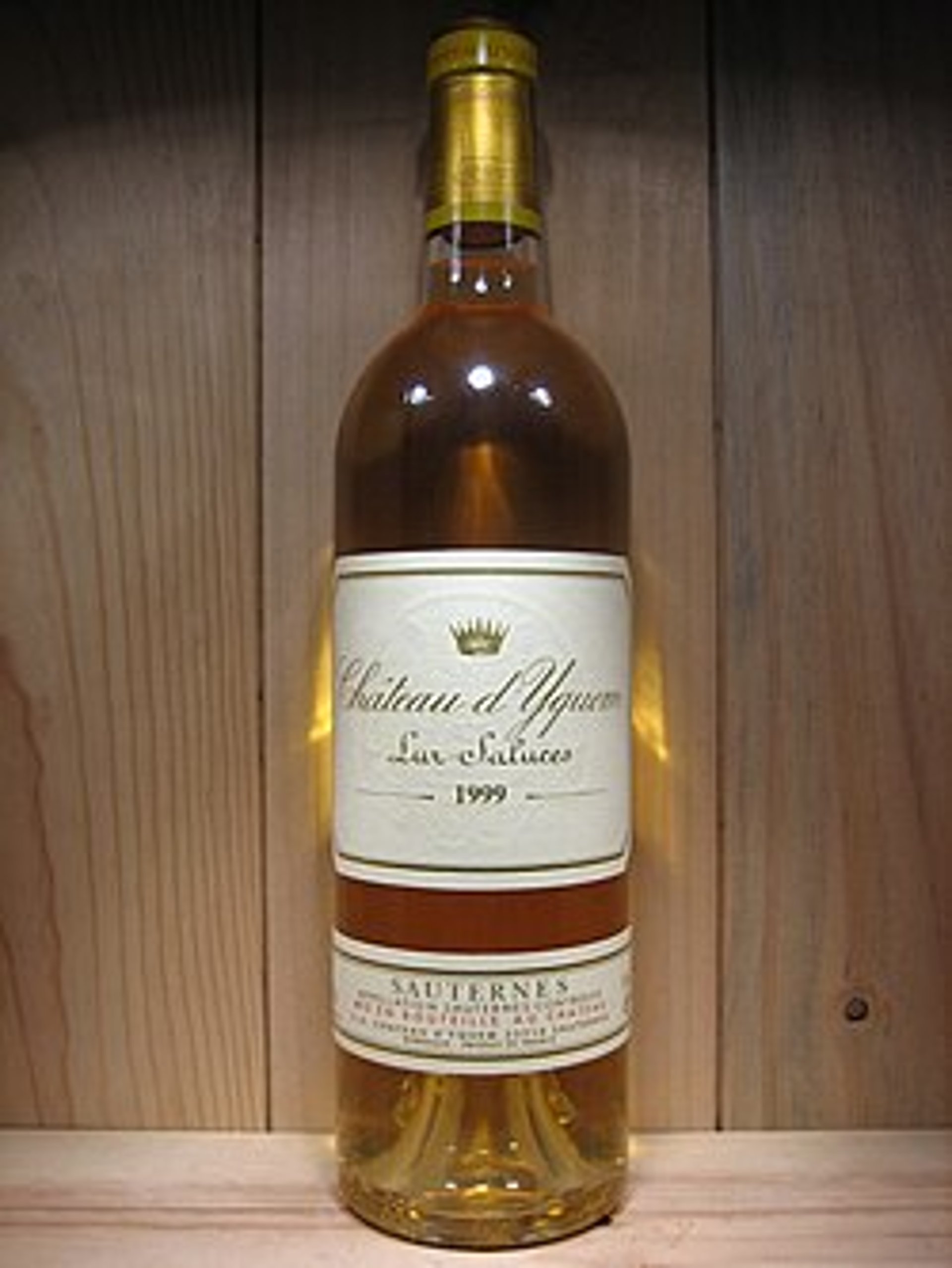
In the southern part of Bordeaux, in a small region called Sauternes, sits a majestic castle that produces a wine unlike any other. Château d'Yquem is not just a sweet wine; it is a legend of patience, risk, and nature's perfection. It is the only wine in history to be ranked as a "Superior First Growth," placing it in a category all by itself, above every other famous estate in Bordeaux.
For centuries, Yquem has been the favorite of emperors, presidents, and connoisseurs. It is a wine that defies time, capable of aging for 100 years or more, and it remains the world’s ultimate benchmark for dessert wines.
The Miracle of Noble Rot
The secret to Yquem’s magic lies in a strange-looking fungus called Botrytis cinerea, also known as "Noble Rot." In most gardens, rot is a disaster, but in the unique microclimate of Sauternes—where morning mists meet warm afternoon sun—this fungus does something miraculous.
The Botrytis pierces the skin of the Sémillon and Sauvignon Blanc grapes, causing the water inside to evaporate. This shrivels the grapes into tiny, ugly-looking raisins, but it concentrates the sugars, acidity, and flavors to an incredible intensity. The result is a wine that tastes of honey, saffron, dried apricots, and tropical fruits, all balanced by a laser-like freshness.
The Ultimate Sacrifice: One Glass Per Vine
Producing Yquem is a high-stakes gamble every single year. Because the "Noble Rot" does not hit every grape at the same time, the harvesters must go through the vineyard multiple times (sometimes up to 10 or 12 passes), picking only the individual grapes that are perfectly shriveled.
This process is incredibly expensive and slow. The yield is so low that the estate famously says each vine produces only one glass of wine.
Even more impressive is their commitment to quality. If the weather is bad and the "Noble Rot" does not develop perfectly, the estate simply refuses to make the wine. In the 20th century alone, they skipped nine vintages entirely, choosing to lose millions of dollars rather than put the Yquem name on a bottle that wasn't perfect.
A Wine That Defies Time
One of the most legendary characteristics of Château d'Yquem is its immortality. Because of its high sugar content and perfect acidity, it is one of the longest-lived wines in existence.
As it ages, the color transforms from a bright, pale gold into a deep amber, and eventually into a dark, mahogany brown. The flavors evolve from fresh fruit into complex notes of crème brûlée, roasted nuts, and exotic spices. A bottle from 1921 or 1945 is often described by lucky tasters as being as fresh and vibrant today as it was decades ago.
Beyond Dessert: How to Drink History
While it is often called a dessert wine, many experts believe Yquem is best enjoyed on its own or with savory pairings. The classic match is Foie Gras or blue cheeses like Roquefort, where the sweetness of the wine cuts through the richness of the food. However, in recent years, it has become trendy to pair young Yquem with spicy Asian cuisine or even simple roasted chicken, proving its incredible versatility.
Conclusion: A Gift From Nature
Château d'Yquem is a reminder that the greatest things in life cannot be manufactured; they must be coaxed from nature with patience and courage. It is a wine born from a fungus, harvested grape by grape, and aged for generations. To drink a glass of Yquem is to taste the sun, the mist, and the history of Bordeaux. It is, quite literally, perfection in a glass.