

NEBBIOLO
CASTAS
6/3/20263 min ler
Introdução e Origem
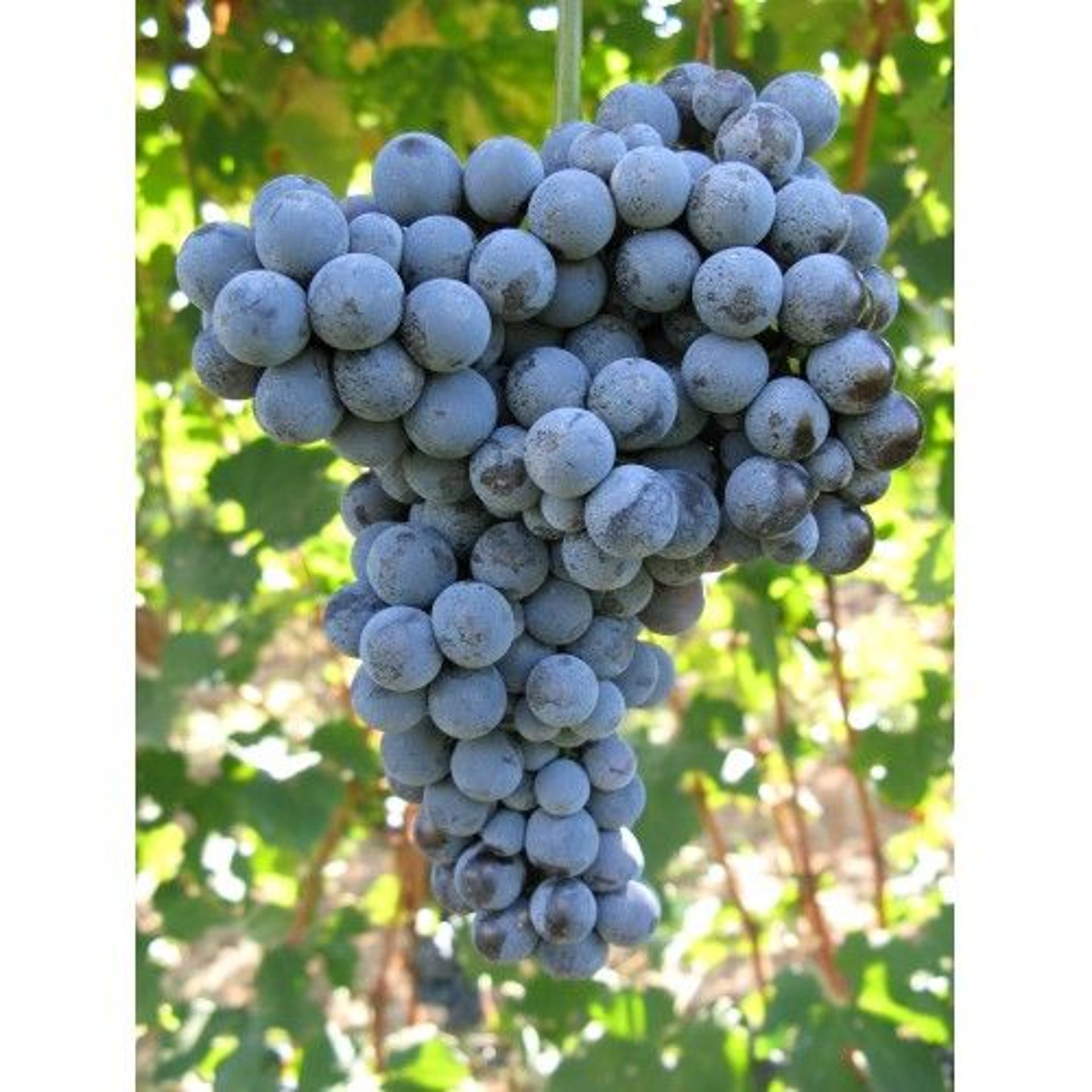
A Nebbiolo é a uva tinta mais emblemática e nobre do Piemonte, no noroeste da Itália. Ela é reconhecida mundialmente por dar origem a alguns dos vinhos mais reverenciados, longevos e caros do planeta, como os famosos Barolo e Barbaresco. O seu nome deriva da palavra italiana nebbia (névoa ou neblina), uma referência direta à densa neblina que cobre as colinas da região do Piemonte no outono, época em que ocorre a colheita dessa casta de maturação tardia.
Características Vitivinícolas e o "Efeito Surpresa"
A Videira: A Nebbiolo é uma uva considerada geniosa, melindrosa e difícil de cultivar. Ela possui casca fina, brota muito cedo e amadurece de forma bastante lenta, necessitando de microclimas muito específicos para brilhar (geralmente encostas bem ensolaradas e solos calcários ou argilo-arenosos).
Comparação com a Pinot Noir: Devido à sua coloração pálida e semi-translúcida (que rapidamente ganha reflexos cor de tijolo ou âmbar com o envelhecimento) e à sua grande sensibilidade em refletir o terroir, ela é frequentemente comparada à uva francesa Pinot Noir.
O Vinho: É aqui que a Nebbiolo surpreende e "engana" o degustador. Apesar de sua cor clara e aromas florais extremamente delicados sugerirem um vinho leve, ao colocar o líquido na boca, revela-se uma estrutura poderosa: altíssima acidez e taninos muito robustos e adstringentes.
Aromas e Sabores: O marcador aromático mais famoso da casta no mundo é a combinação de "alcatrão e rosas". Seus vinhos também exalam violetas, cerejas, framboesas, anis e couro. Com o envelhecimento, ela desenvolve uma rusticidade e complexidade sublimes, trazendo notas de frutas secas, especiarias, couro, tabaco e terra.
Principais Regiões Produtoras e Estilos
Apesar de alguns poucos plantios nos Estados Unidos e México, a uva é quase que uma exclusividade italiana, mas com um notável e recente capítulo escrito no Brasil.
Piemonte Clássico (Barolo, Barbaresco, Roero e Langhe):
Barolo e Barbaresco: São as expressões máximas da uva, cultivadas acima da linha da neblina. Entregam vinhos intensos, de alto álcool e brutal estrutura tânica, exigindo longo envelhecimento antes de irem ao mercado (o Barolo normal exige 38 meses de maturação, sendo 18 em madeira; o Barbaresco exige 26 meses).
Langhe e Roero: Regiões que oferecem Nebbiolos muito mais acessíveis (tanto no preço quanto no paladar), entregando versões um pouco mais macias, frutadas e ótimas para se conhecer a casta antes de investir em um Barolo.
Alto Piemonte (Os Nebbiolos Secretos): Nas denominações de maior altitude do norte piemontês, como Lessona, Gattinara, Ghemme, Boca e Bramaterra, a uva atende pelo sinônimo de Spanna. Graças aos solos rochosos/vulcânicos e clima mais frio, gera vinhos de extrema elegância, com graduação alcoólica mais baixa (raramente passando de 14%), grande mineralidade e acidez vibrante. Nessas áreas, a Nebbiolo é frequentemente misturada a pequenas proporções de uvas locais, como Vespolina e Uva Rara.
Lombardia (Valtellina): Cultivada em terraços alpinos, aqui a uva é conhecida como Chiavennasca e origina vinhos incrivelmente florais e elegantes. A região também produz o impressionante Sforzato (ou Sfursat), um vinho feito com uvas Nebbiolo desidratadas (método appassimento), similar ao cobiçado Amarone.
O Sucesso no Brasil: O Brasil vem se despontando como um produtor de alta qualidade da casta, especialmente na Serra do Sudeste (Encruzilhada do Sul - RS). O solo argilo-arenoso confere a drenagem e o frescor que a uva exige. Vinícolas como a Manus Vinhos e Vinhas e Lídio Carraro têm utilizado "viticultura de precisão" para criar rótulos excelentes (incluindo versões biológicas) que chegam a confundir sommeliers italianos em degustações às cegas.
Serviço e Harmonização Gastronômica
Serviço: Por conta dos seus imensos taninos e acidez, a Nebbiolo é essencialmente um vinho de longa guarda, podendo evoluir de 10 anos a décadas na adega. A temperatura ideal de serviço é entre 12°C e 15°C, usando uma taça de bojo largo (aroma collector). A decantação é obrigatória (de 45 minutos a 2 horas) para amaciar a adstringência, especialmente em vinhos mais jovens.
A Regra de Ouro da Harmonização: Os altos níveis de taninos exigem pratos ricos em gordura (manteiga, azeite, cremes ou queijos) para que haja equilíbrio.
Clássicos Italianos: Combina divinamente com risotos untuosos (especialmente com trufas), ravióli de abóbora, ou o tradicional Brasato al Barolo (cozido de carne feito com o próprio vinho). O clássico francês Boeuf Bourguignon também é um excelente par.
Carnes e Aves de Caça: A rusticidade do vinho pede carnes de pato (como magret agridoce, por exemplo), perdiz, faisão, codorna, lombo de boi e costela.
Embutidos e Queijos: Faz par perfeito com copa, pastrami, salame, prosciutto e queijos duros/curados (Grana Padano, Parmigiano Reggiano, Pecorino) ou de cabra