


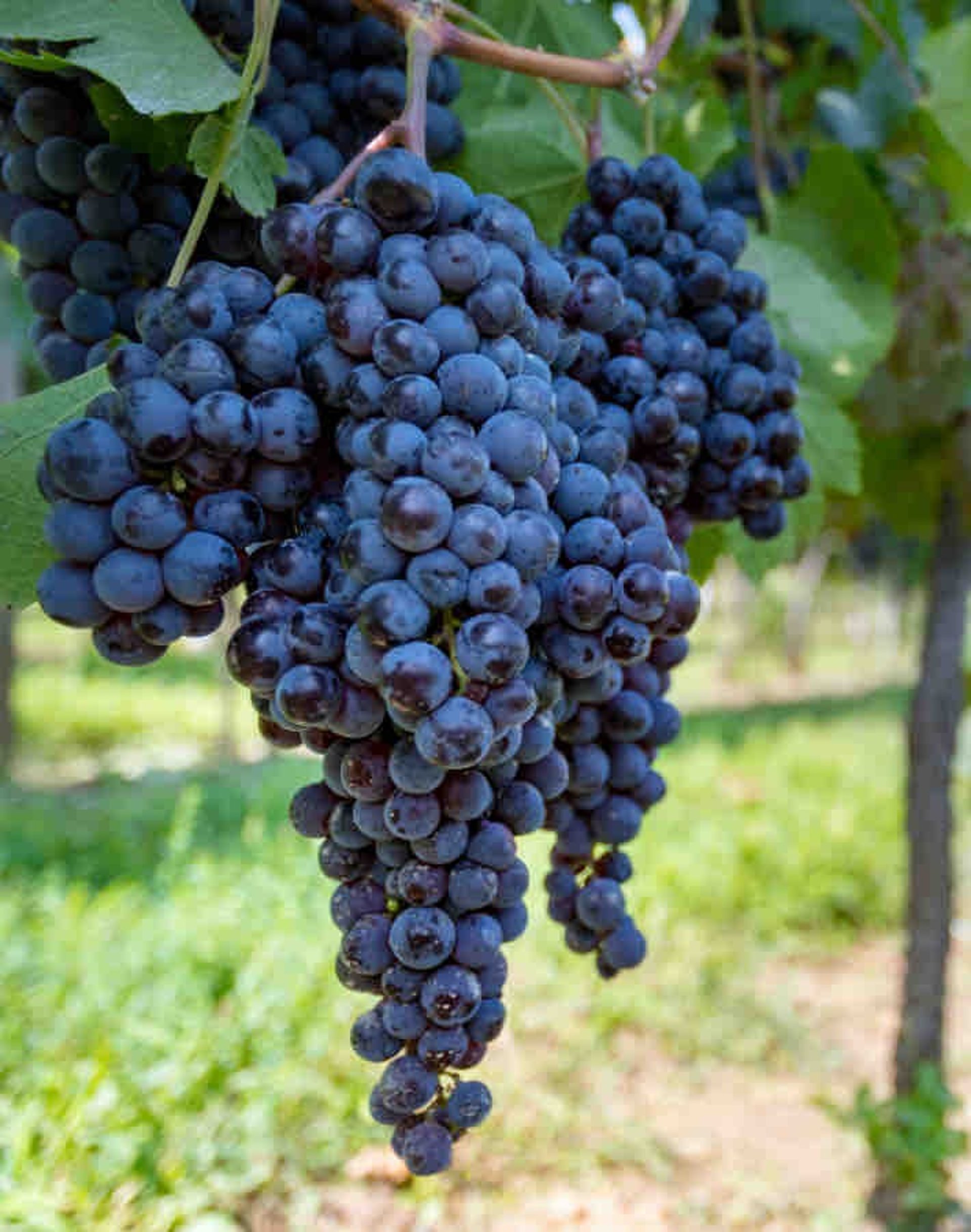
PRIMITIVO / ZINFANDEL
CASTAS
6/8/20264 min ler
Introdução e A Dupla Identidade
As famosas uvas Primitivo (cultivada majoritariamente na Itália) e a Zinfandel (estrela dos Estados Unidos) são, na verdade, clones distintos de uma mesmíssima variedade de uva originária da Croácia, onde é historicamente conhecida pelos nomes Crljenak Kastelanski ou Tribidrag. Apesar de compartilharem o mesmo DNA, a forma como se adaptaram aos seus terroirs e os estilos de vinificação criaram identidades próprias para cada nome no mercado mundial.
História e Curiosidades
O Elo Genético: A constatação científica de que as duas uvas eram a mesma cepa teve início em 1967, quando Austin Goheen, professor da Universidade da Califórnia (UC Davis), viajou à Itália, provou o vinho Primitivo e imediatamente notou a impressionante semelhança com a Zinfandel californiana.
As Origens do Nome na Itália: A uva viajou da Croácia para a região da Puglia, na Itália, através do Mar Adriático pelo século XIII. O nome "Primitivo" deriva do latim primativus, que significa "a primeira a amadurecer". De fato, essa videira floresce cedo e tem uma maturação incrivelmente precoce em relação a outras castas tintas.
A Chegada nos Estados Unidos: A uva chegou aos EUA sem nome em 1829, sendo introduzida por George Gibbs em Boston, onde foi chamada de "zenfendel" ou "zinfindal". Em 1949, com a "Corrida do Ouro", chegou à Califórnia, estado que a abraçou como sua principal variedade emblemática.
A "Fênix" de Manduria: A mais prestigiada denominação da uva na Itália é a cidade de Manduria. A cidade tem uma história brutal: foi criada pelos Messápios antes de Cristo, dominada por Roma, destruída completamente pelos Sarracenos e reconstruída no século XI pelos cristãos sob o nome genérico de "Casalnuovo". O nome clássico de Manduria só foi devolvido em 1789 por decreto do rei Fernando I de Bourbon, salvando assim o famoso título "Primitivo de Manduria", cuja Denominação de Origem Controlada (DOC) nasceria em 1974.
Características Vitivinícolas e Perfil do Vinho
A Videira e o Amadurecimento Irregular: A casta prospera em climas secos e quentes, mas apresenta um enorme desafio para o viticultor: seus cachos amadurecem de forma muito irregular. Em um mesmo cacho pronto para a colheita, é comum encontrar uvas ainda verdes misturadas a uvas completamente desidratadas (que já viraram passas).
A Estrutura do Vinho: Essa combinação de uvas passificadas cheias de açúcar gera tintos opulentos, untuosos (que preenchem a boca como manteiga), de acidez moderada e teores alcoólicos elevadíssimos, variando frequentemente de 14% a impressionantes 17%. São vinhos sedosos, pesados e que costumam entregar uma forte sensação frutada e doce no paladar, devido ao açúcar residual natural do amadurecimento ao sol. Os taninos da uva costumam ser super flexíveis, redondos e amigáveis, sem agredir a boca.
Aromas e Sabores: O marcador inconfundível da uva é a fruta em compota e geleia (amora, cereja, ameixa, framboesa), que se mistura a notas ricas de especiarias doces (canela, anis estrelado), pimenta, fumo de corda, tabaco, trufa, couro e, frequentemente, um aroma evidente de chocolate e cacau.
O Casal de Opostos da Zinfandel: Cerca de 85% de toda a produção da uva na Califórnia é voltada para a criação do popularíssimo White Zinfandel, um vinho rosé extremamente leve (9-10% de álcool), fácil e de apelo doce, destinado a iniciantes, que não reflete a fúria e o peso da versão tinta.
Principais Regiões Produtoras e Estilos
Itália (Puglia - O Calcanhar da Bota): Marcada pela forte influência dos mares Adriático e Jônico, a Puglia concentra as denominações italianas de prestígio:
Primitivo di Manduria DOC: Cultivada perto da costa em solos arenosos e argilosos, gera a expressão mais bruta, potente e alcoólica da uva, cheia de frutas licorosas e notas de figo. É protegida por regras estritas de rendimento; os vinhos na categoria Rosso devem envelhecer pelo menos 5 meses e ter 13,5% de álcool, enquanto os Riservas exigem no mínimo 24 meses de envelhecimento (com 9 meses em barrica) e chegam com no mínimo 14% de álcool e uso obrigatório de 100% da uva Primitivo.
Gioia del Colle DOC: Situada no interior em altitudes mais elevadas e solos pedregosos (terra rossa), apresenta uma variação elegantíssima, vibrante, mais floral, crocante e focada na acidez, com a madeira exercendo papel de coadjuvante.
Salento IGT: Oferece vinhos banhados pela brisa do mar, resultando num belo equilíbrio entre as frutas super maduras e os tons de especiarias salgadas.
Estados Unidos (A Zinfandel Californiana): Os EUA extraem da uva (aqui chamada exclusivamente Zinfandel ou carinhosamente de "Zin") tintos exuberantes, "mastigáveis" e ainda mais doces e frutados que os italianos, em parte devido ao clima constantemente quente de dia e de noite em certas zonas. As principais regiões produtoras localizam-se na Califórnia: Paso Robles, Napa Valley, Sonoma (Dry Creek e Russian River) e Lodi. Zinfandels originários de altitudes maiores, como de Howell Mountain, entregam vinhos com mais riqueza e caráter "salgado/terroso".
Serviço e Harmonização
Serviço: Os vinhos devem ser servidos resfriados (entre 16°C e 20°C) para acalmar o álcool intenso, e as versões mais potentes ganham muito quando passam pela decantação prévia.
Harmonização Gastronômica: O segredo para combinar a Primitivo/Zinfandel é entender a sua "brutalidade"; se combinada com comidas muito leves, o vinho vai engolir completamente os sabores do prato.
Carnes Poderosas e Assados: Vai excepcionalmente bem com carnes nobres grelhadas com gordura (picanha, ancho, bife de chorizo) e cortes suculentos como costela suína com molhos agridoces (barbecue), cordeiro e ossobuco com risoto de açafrão. O prato francês Cassoulet, rico e denso em feijões brancos e carnes diversas, é um par infalível por conseguir bater de frente com o corpo robusto do vinho.
Clássicos Italianos: Perfeito para pizzas generosamente recheadas e com muito queijo, pratos com berinjela à parmegiana e clássicas lasanhas à bolonhesa.
A Força da Ásia e Currys: Um dos pares mais geniais e supreendentes para a uva é a rica comida oriental. A maciez natural, a textura glicérica e o sabor deliciosamente doce das frutas na Zinfandel fazem dela uma grande parceira para especiarias intensas, curry japonês (como o Pork Katsu Curry) e pratos tailandeses levemente picantes.
Queijos: Excelente com opções ricas em sabor, como Manchego ou queijos duros de ovelha