The GSM Blend: Grenache, Syrah, and Mourvèdre
The Iconic Red Wine trio
WINEMAKING
4/1/20263 min ler
If you’ve ever browsed the French section of a wine shop or explored the bold reds of Australia, you’ve likely encountered three letters that carry a lot of weight: GSM.
In the world of viticulture, a "blend" isn't just a way to use up leftover grapes. It’s an architectural feat. Think of a GSM blend like a legendary rock band. You need a charismatic lead singer, a steady bassist to hold the rhythm, and a drummer to provide the backbone. When Grenache, Syrah, and Mourvèdre come together, they create a harmony that a single variety rarely achieves on its own.
Meet the Band: The Three Pillars of GSM
To understand why this blend works, we have to look at the individual personalities of the grapes.
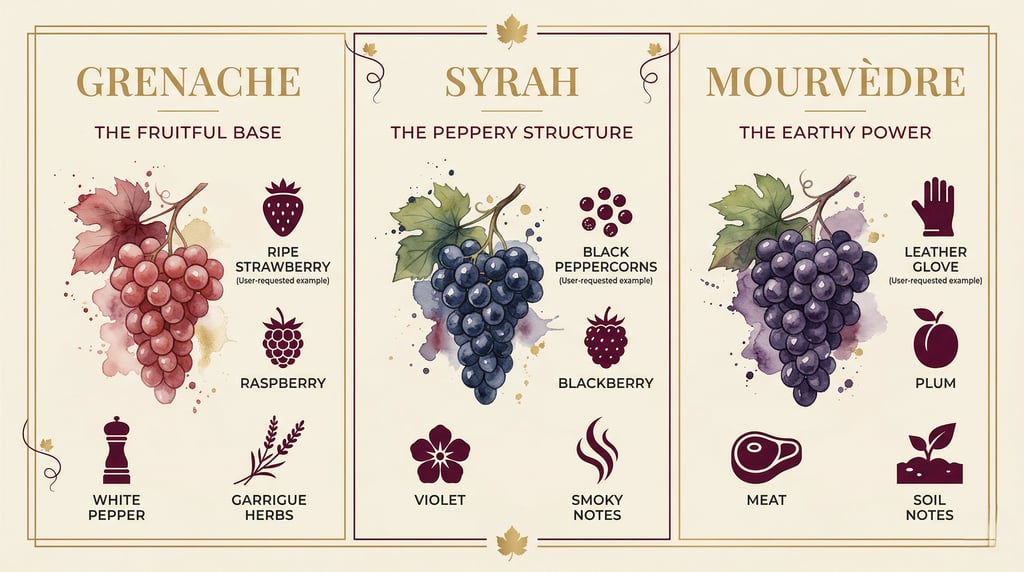
1. Grenache: The Charismatic Lead Singer Grenache is the soul of the blend. It’s high in alcohol, low in tannins, and bursting with bright, red-fruit flavors like candied strawberry and raspberry. In our band analogy, Grenache is the frontperson—all charm and energy. It provides the "flesh" of the wine, giving it a juicy, approachable mouthfeel.
2. Syrah: The Structural Backbone If Grenache is the fruit, Syrah is the spice and the skeleton. Known as Shiraz in the New World, this grape brings dark fruit notes (think blackberry and blueberry) along with savory hints of black pepper, smoked meat, and even olives. Crucially, Syrah provides the tannins and acidity that Grenache lacks, ensuring the wine doesn't just taste like fruit juice but has a serious, lingering finish.
3. Mourvèdre: The Mysterious Bass Player Mourvèdre is the "X-factor." It’s a thick-skinned grape that loves the heat. It adds a deep, dark color to the blend and introduces "earthy" or "gamey" notes. It provides the bottom end—the deep, resonant bass notes of forest floor, leather, and chocolate. Without Mourvèdre, a GSM blend might feel a bit top-heavy; with it, the wine feels grounded and complex.
The Science of the "Why": The Art of Blending
Why don't we just drink them separately? While 100% Syrah or Grenache can be stunning, the GSM blend is a solution to a vintage's unpredictability.
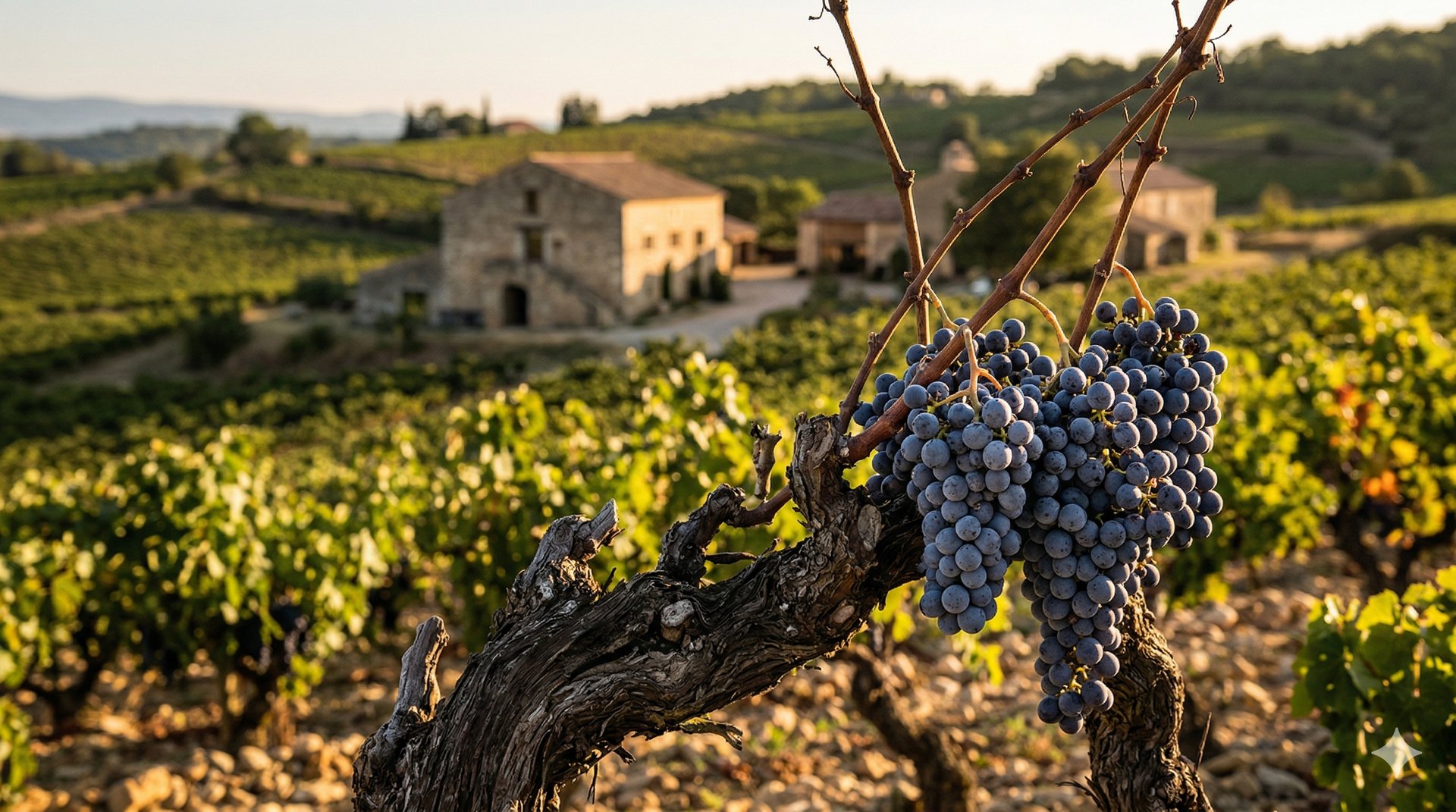
In the Rhône Valley of France, where this blend originated, the weather can be fickle. Grenache might struggle in a cold year, but Syrah might thrive. By blending, winemakers create a "balanced" profile every year. It’s about synergy: the sum is greater than the parts. The high sugar (and thus alcohol) of Grenache is tempered by the structural tannins of Syrah, while Mourvèdre acts as the glue that binds the fruit and spice together.
From the Rhône to the Rest of the World
While the Southern Rhône (specifically Châteauneuf-du-Pape) is the ancestral home of the GSM, this style has migrated globally.
The French Original: These wines are often more "savory" and earthy. You'll taste the terroir—that sense of sun-baked stones and dried herbs (known as garrigue).
The Australian Powerhouse: In regions like the Barossa Valley, the wines are "sun-drenched." Expect massive fruit explosions, higher alcohol, and a velvety texture that feels like a warm hug.
The California Contenders: In Paso Robles, producers are leaning into the "Rhône Ranger" spirit, creating wines that bridge the gap between French elegance and California fruit-forwardness.
Pairing Your GSM: What’s for Dinner?
Because of its balanced acidity and savory-sweet profile, GSM is a chameleon at the dinner table. It loves protein and herbs.
Grilled Lamb: The classic pairing. The Syrah in the blend cuts through the fat, while the Mourvèdre complements the earthy flavors of the meat.
Mushroom Risotto: The earthy notes of the wine sing alongside fungi.
BBQ Pork: The sweetness of the Grenache is a natural partner for smoky, sweet barbecue sauces.
Why You Should Care
The GSM blend is more than just a recipe; it’s a philosophy of balance. It teaches us that strength comes from diversity. Whether you're a seasoned collector or just looking for a reliable bottle for Friday night, the GSM offers complexity without being intimidating. It’s a wine that tells a story of the sun, the soil, and the hands that blended it into perfection.