


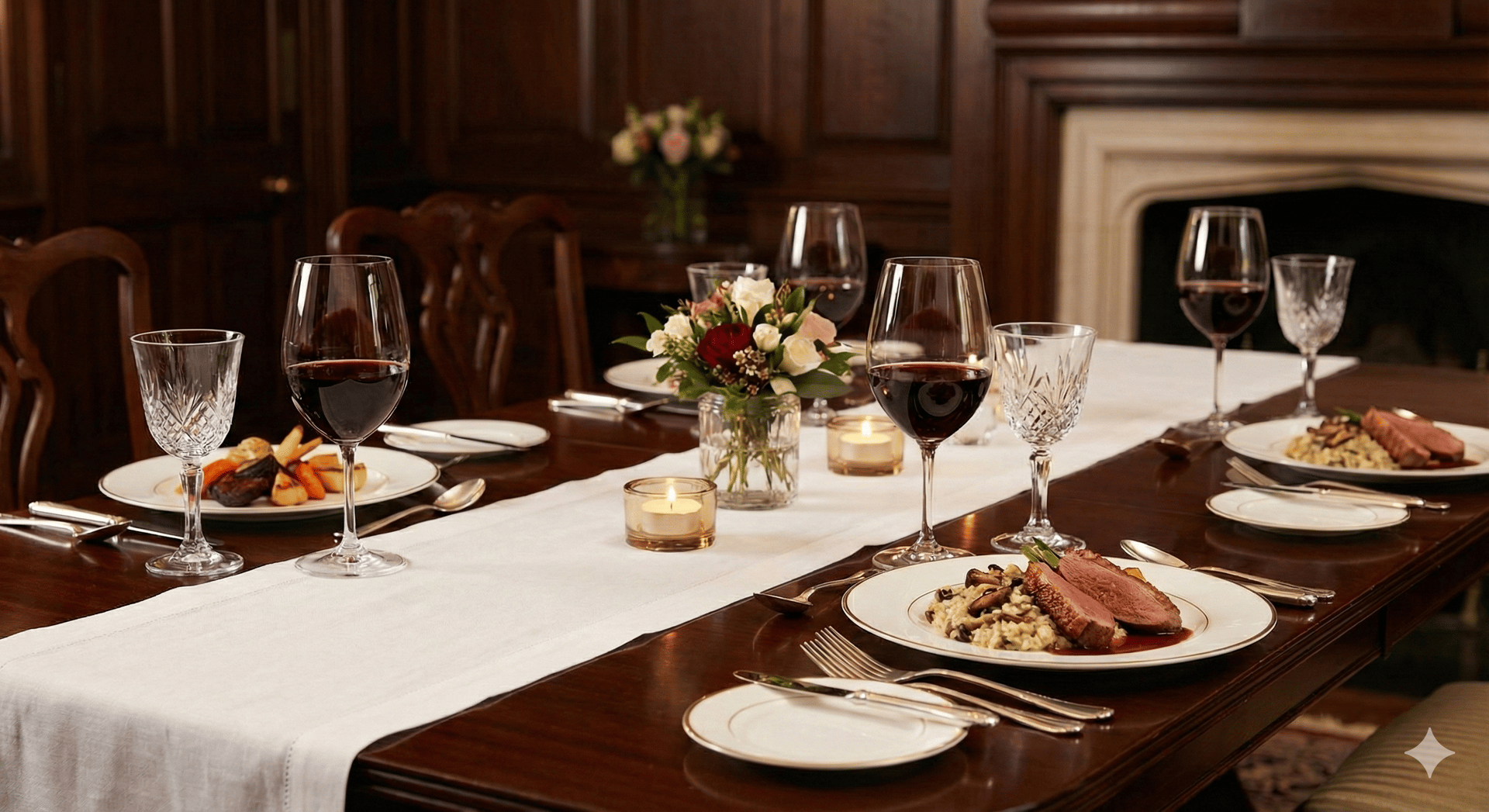
Red Wine Pairing
From Delicate Earth to Bold Structure
1/29/20263 min ler
Red wine is perhaps the most beloved partner for the dinner table, but it is also the most misunderstood. Many people follow the old rule of "red wine with meat," but the world of reds is far too diverse for such a simple generalization. A delicate, chilled Pinot Noir has almost nothing in common with a powerful, oaky Cabernet Sauvignon. To master red wine pairing, you must look beyond the color and focus on two key elements: Tannins and Body.
Tannins are the secret to red wine’s success with food. They are the compounds that create a drying sensation in your mouth. When tannins meet protein and fat (like in a steak or a piece of aged cheese), they bind together, softening the wine and making the meat taste more flavorful. This is the foundation of red wine pairing, but as we move from light to bold, the rules evolve.
Light-Bodied Reds: Elegance and Acidity
Light-bodied red wines, such as Pinot Noir, Gamay, or a light Schiava, are characterized by their high acidity and low tannins. These wines are the "bridge" between white and red wine pairing. Because they don't have a heavy tannic grip, they won't overpower delicate flavors.
These wines are perfect for earthy ingredients like mushrooms, roasted beets, or dishes featuring herbs like thyme and rosemary. They are also the best choice for "meaty" fish, such as seared tuna or salmon, where a heavier red would taste metallic. If you are serving poultry—like a classic roasted chicken or Thanksgiving turkey—a light-bodied red is your best ally, providing enough fruit and acid to complement the white meat without overwhelming it.
Medium-Bodied Reds: The Versatile All-Stars
This category includes some of the world’s favorite food wines, such as Sangiovese (Chianti), Merlot, Tempranillo (Crianza or Reserva), and Barbera. These wines have moderate tannins and a balanced acidity, making them incredibly versatile.
Medium-bodied reds are the ultimate partners for tomato-based dishes. The natural acidity in Sangiovese, for example, matches the acidity of tomato sauce perfectly, which is why Chianti and pasta are a match made in heaven. These wines also pair beautifully with roasted pork, grilled sausages, and Mediterranean flavors like olives, oregano, and bell peppers. If you are serving a burger or a pizza with multiple toppings, a medium-bodied red has enough structure to handle the fat but enough fruit to keep the palate refreshed.
Full-Bodied Reds: Power and Tannins
Now we enter the world of the giants: Cabernet Sauvignon, Malbec, Shiraz/Syrah, and Tannat. These wines are high in tannins and often have significant oak aging, which adds flavors of vanilla, smoke, and spice.
The rule here is simple: these wines need fat and protein to shine. This is why a bold Napa Cabernet or an Argentine Malbec is the classic choice for a ribeye steak or a slow-cooked lamb shank. The fat in the meat "absorbs" the tannins, revealing the wine’s fruit and chocolate notes. Beyond steak, these wines pair excellently with hard, aged cheeses like Cheddar or Manchego. However, be careful with spice! The high alcohol and tannins in full-bodied reds can make spicy chili or hot peppers feel unpleasantly "hot" on your tongue. For bold reds, stick to rich, savory, and salty flavors.
The Impact of Cooking Methods
How you cook your food is just as important as the ingredients themselves. A piece of beef that is poached or boiled is very light and might be better with a medium-bodied wine. However, once you put that same beef on a grill, the char and caramelization (the Maillard reaction) add bitterness and smoke. This grilled character creates a perfect "hook" for the smoky, toasted oak flavors in many red wines. Similarly, a rich, reduced red wine sauce on a dish will immediately call for a wine with a similar profile to create a congruent and satisfying pairing.
Conclusion: Trust Your Palate
While these guidelines help you avoid major mistakes, red wine pairing is ultimately about balance. If the wine feels too heavy for the food, it will drown out the flavors; if the food is too rich for the wine, the wine will taste thin and watery. By matching the weight of the dish with the body of the wine and ensuring your tannins have enough protein to play with, you will create a harmony that makes every bite—and every sip—better than the last.