


Rethinking the Bottle: The Rise of Cans and Sustainable Packaging
2/2/20262 min ler
For centuries, the heavy glass bottle with a cork has been the gold standard for wine. It feels premium and is excellent for long-term aging. However, glass has a significant environmental cost. It is heavy to transport, leading to high fuel consumption, and the manufacturing process requires extreme heat. As the wine industry looks for ways to reduce its carbon footprint, a wave of innovative—and sometimes surprising—packaging is taking over the shelves.
The Can Revolution: Quality Without the Corkscrew
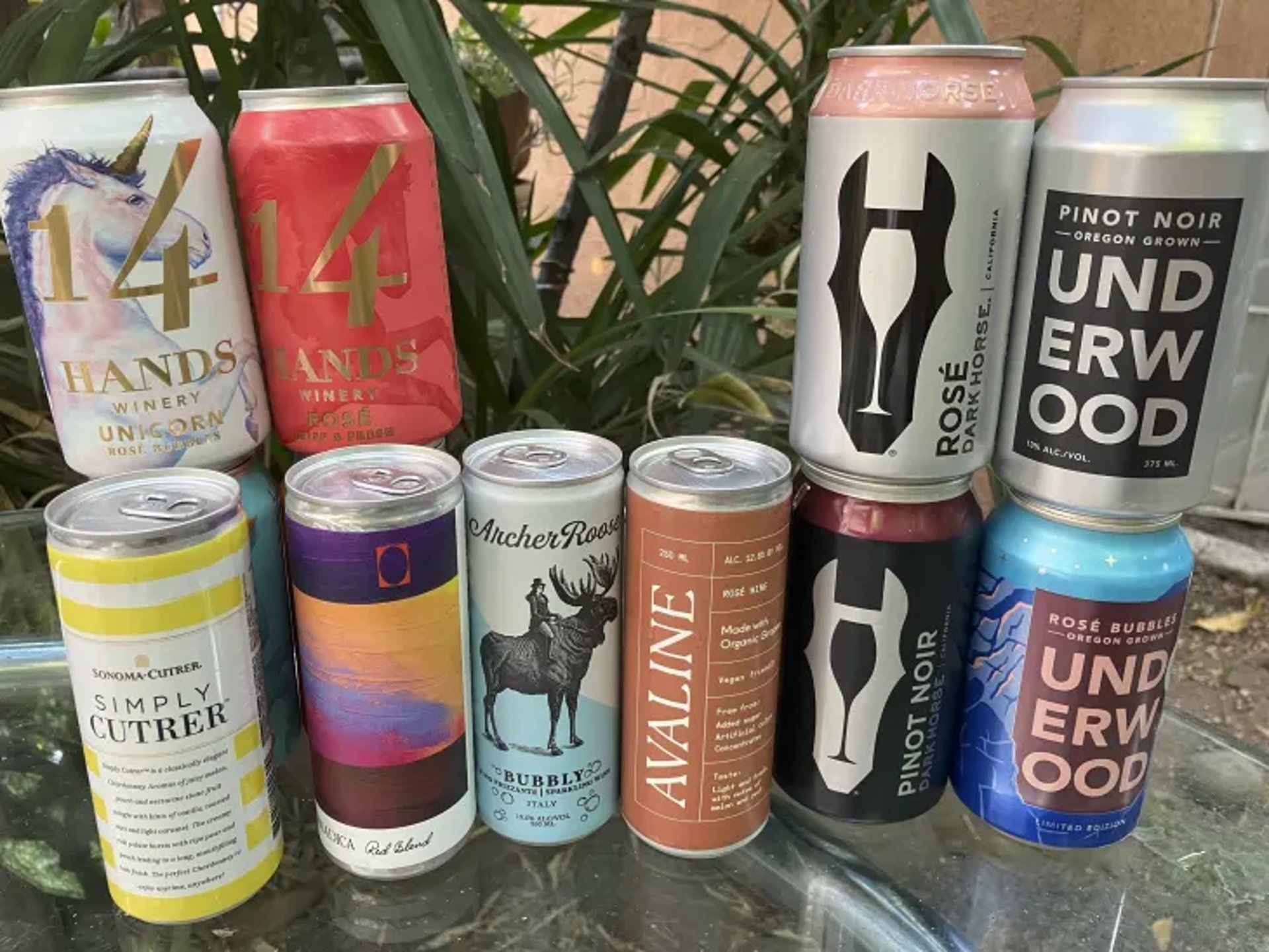
Wine in a can is no longer just for low-quality options. Some of the most exciting producers in Oregon, California, and even France are now putting premium wines into aluminum cans.
Why cans? First, aluminum is the "king of recycling"; it is infinitely recyclable and much lighter than glass, which drastically reduces shipping emissions. Second, cans are perfect for the modern, active lifestyle. They are portable, they don't break at the beach or by the pool, and they provide perfect portion control. Most importantly, modern cans have special liners that prevent any "metallic" taste, ensuring the wine stays as fresh as the day it was made.
The Flat Bottle and Paper Innovations
Beyond cans, designers are rethinking the shape and material of the bottle itself. Some companies have introduced "flat" wine bottles made from 100% recycled PET plastic. Because they are flat, they pack together more tightly, allowing 60% more wine to be shipped in the same space as round glass bottles.
Even more radical is the "Paper Bottle." Made from 94% recycled paperboard with a food-grade liner, these bottles are five times lighter than glass and have a carbon footprint that is up to 84% lower. They look like a traditional bottle on the shelf but represent a massive leap forward in eco-friendly design.
Bag-in-Box: The Return of a Classic
The "Bag-in-Box" (BiB) is also having a luxury makeover. Once associated with cheap table wine, high-end BiB options are now trending. The technology is brilliant for the everyday drinker: because the internal bag collapses as you pour, no oxygen enters the container. This keeps the wine fresh for up to six weeks after opening, compared to just a few days for a glass bottle. For those who enjoy just one glass an evening, it is the most sustainable way to avoid waste.
The "Lightweighting" Trend
Even for premium wines that still require glass for aging, change is coming. "Lightweighting" is the practice of using thinner, lighter glass bottles. Many top estates are moving away from the thick, heavy "prestige" bottles of the past, realizing that a heavy bottle doesn't mean better wine—it just means more CO2.
Conclusion: A New Look for a New Era
Will the traditional glass bottle disappear? Probably not for the world’s most collectible, age-worthy wines like those we explored in "Icons & Estates." But for the wine we drink on a Tuesday night, at a picnic, or at a festival, the future is looking much more diverse. By embracing cans, paper, and lighter materials, the wine world is proving that it can respect its ancient roots while protecting the planet for future generations.