

RIESLING
CASTAS
6/9/20264 min ler
Introdução e Origem Genética
A Riesling é a principal e mais emblemática uva branca da Alemanha, amplamente considerada por sommeliers como uma das castas mais nobres e colecionáveis do mundo. Originária dos vales dos rios Reno e Mosel, a sua primeira menção não oficial data de 1435 (sob o nome "sling"), enquanto o registro oficial do nome atual ocorreu em 1552, no herbário do botânico alemão Hieronymus Bock. Geneticamente, ela é uma descendente natural da Gouais Blanc (também conhecida na Alemanha como Weisser Heunisch), uma casta antiga que é "avó" de uvas famosas como a Chardonnay e a Chenin Blanc. Atenção: Ela não deve ser confundida com a Riesling Itálico (ou Welschriesling), uva amplamente cultivada no Brasil para espumantes, que possui uma história e perfil genético completamente diferentes.
História e Curiosidades
A "Lei" do Riesling: A uva ganhou enorme prestígio em 1787, quando o Arcebispo de Trier decretou que todas as vinhas de baixa qualidade da região fossem arrancadas e substituídas por Riesling. O sucesso foi tamanho que, na década de 1850, os vinhos Riesling eram vendidos a preços mais altos que os cobiçados vinhos de Bordeaux e de Champagne.
O Estigma da Garrafa Azul: Após a Segunda Guerra Mundial, a Alemanha focou em vinhos de alto volume e qualidade inferior para exportação. O maior exemplo disso foi o vinho doce e barato exportado em icônicas garrafas azuis (frequentemente rotulado como Liebfraumilch), que virou febre no Brasil nos anos 1980 e 1990, mas prejudicou a reputação da uva. Hoje, os produtores alemães deram a volta por cima, criando alguns dos vinhos brancos mais caros e cobiçados do planeta.
Características Vitivinícolas e Perfil Aromático
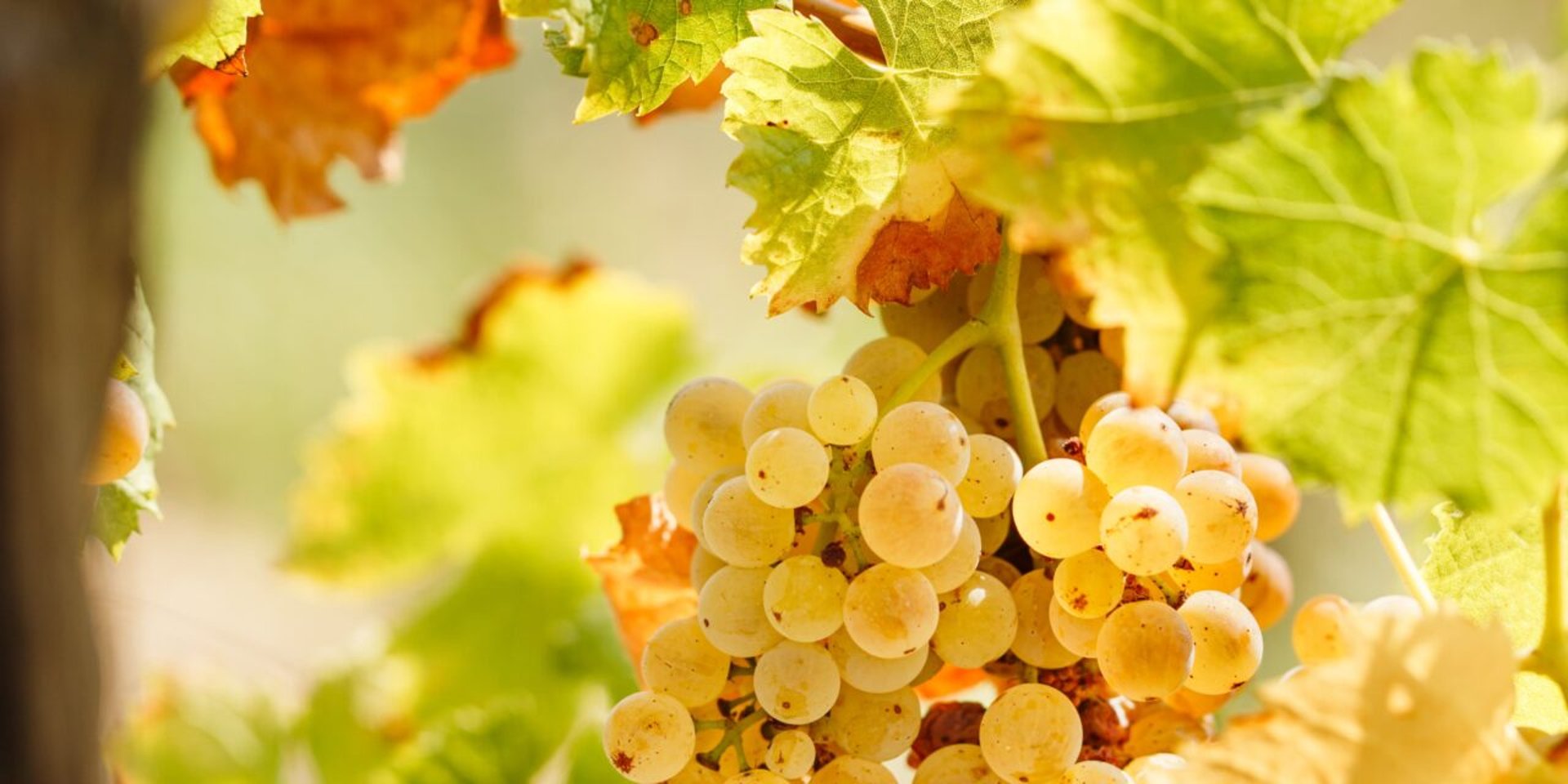
A Videira: É uma uva bastante resistente que prospera perfeitamente em climas frios e amadurece cedo. Diferentemente da Chardonnay, a Riesling raramente passa por barricas de carvalho, pois a madeira tende a mascarar e camuflar os seus delicados aromas florais e naturais.
O Marcador de Petróleo (TDN): O aroma mais famoso, autêntico e polêmico da Riesling é o cheiro de gasolina, querosene ou petróleo, gerado por um composto natural da uva chamado TDN. O Instituto do Vinho Alemão chegou a retirar esse descritor da sua roda de aromas oficial pelo medo de afastar novos consumidores, mas ele continua sendo a "assinatura" da cepa.
Estrutura Inabalável: Possui três características primárias imutáveis: altíssima intensidade aromática (que salta da taça), acidez vibrante (que causa salivação e funciona como conservante natural) e um potencial de longevidade excepcional, permitindo que o vinho envelheça brilhantemente na adega.
Aromas e Sabores: Além do petróleo e da cera de abelha, exala notas frescas de frutas de pomar (maçã verde, pera, pêssego, damasco), frutas cítricas (limão, lima) e toques florais delicados, como jasmim e madressilva.
Estilos de Acordo com o Clima
A Riesling reflete intensamente o terroir onde é plantada:
Clima Frio (Ex: Alemanha, Alsácia, Áustria, Eslovênia): Produz vinhos de corpo leve a médio, com acidez altíssima e cortante. Os aromas são mais focados em frutas cítricas e brancas, com a nota de petróleo surgindo de forma sutil na juventude ou desenvolvendo-se com o envelhecimento.
Clima Quente (Ex: Austrália, Califórnia): Entrega um vinho de corpo mais alto, com textura untuosa e oleosa no paladar. As frutas tornam-se super maduras e tropicais (abacaxi em calda, carambola, pera madura), e o aroma mineral/petróleo manifesta-se de forma muito mais evidente e precoce.
Sistema de Classificação Alemão e Níveis de Doçura
A Riesling alemã é famosa por dominar a arte de equilibrar altíssima acidez com açúcar residual. O teor alcoólico do rótulo é a maior pista visual da doçura: vinhos com 12% ou mais de álcool são tipicamente secos, enquanto os abaixo de 11,5% costumam ter dulçor. A Alemanha classifica a qualidade da uva pelo nível de maturação e doçura no momento da colheita (Prädikatswein):
Trocken: Vinho seco.
Kabinett: O estilo mais leve, feito de uvas de colheita normal (pode ser seco ou meio-seco).
Spätlese (Colheita Tardia): Uvas que amadurecem por mais tempo na videira, concentrando açúcares.
Auslese: Colheita selecionada manualmente, frequentemente com uvas afetadas pela podridão nobre (Botrytis cinerea).
Beerenauslese e Trockenbeerenauslese: Vinhos de sobremesa raros e caríssimos, feitos com uvas super desidratadas (passificadas) pela podridão nobre.
Eiswein (Vinho do Gelo): Feito de uvas que congelaram naturalmente na videira e foram prensadas de madrugada.
Principais Regiões Produtoras
Alemanha: É a maior produtora mundial. Destacam-se os vales do Mosel (onde as videiras crescem em espetaculares encostas íngremes de solo rochoso e ardósia) e do Reno (Rheingau, Pfalz, Rheinhessen).
França (Alsácia): Região vizinha à Alemanha, gera vinhos Riesling excepcionais, porém historicamente com maior teor alcoólico e perfil mais seco que os alemães tradicionais.
Novo Mundo: Destacam-se os Estados Unidos (especialmente no clima frio do estado de Washington e nos Finger Lakes em Nova York), a Austrália (Clare Valley e Eden Valley, famosos pelo estilo de clima quente) e Nova Zelândia.
Serviço e Harmonização Gastronômica
Serviço: Deve ser servido bem resfriado, idealmente entre 6°C e 13°C (43-55°F) em taças clássicas de vinho branco. O seu potencial de guarda na adega frequentemente supera os 10 anos.
A "Coringa" da Comida Apimentada: Graças ao balanço entre dulçor (nos estilos meio-secos) e acidez brutal, a Riesling é a harmonização definitiva e perfeita para pratos ricos em especiarias e pimentas intensas, como a gastronomia indiana, marroquina, tailandesa e asiática em geral.
Carnes: Faz par formidável com carnes de porco (como as clássicas salsichas alemãs e pernil suíno), bacon, além de aves mais ricas como ganso, pato e peru assado.
Frutos do Mar e Alternativas: Excelente com peixes defumados (como salmão defumado), camarão, caranguejo, queijos macios de leite de vaca e vegetais assados que possuam doçura natural (cebola roxa, pimentão, abóbora)