


SANGIOVESE
The Heart of Italian Wine
2/19/20252 min ler
In the world of Italian wines, few grapes are as emblematic as Sangiovese. This red grape variety is the backbone of some of the country's most famous and beloved wines. With its rich history and exceptional versatility, Sangiovese has captured the hearts of wine lovers worldwide. If you're looking for a wine with a captivating aroma, balanced acidity, and a food-friendly character, Sangiovese is a must-try.
Its Italian Roots and Noble History
Sangiovese has its roots in Italy, and its name is believed to come from the Latin "sanguis Jovis," which means "the blood of Jove." This name highlights the grape's ancient and noble history, which dates back to Roman times. It's the most widely planted red grape variety in Italy, thriving in various regions, but it's most famously associated with Tuscany.
Distinctive Characteristics
Appearance
Color: The color of Sangiovese can range from a bright ruby red in younger wines to a garnet hue as it ages.
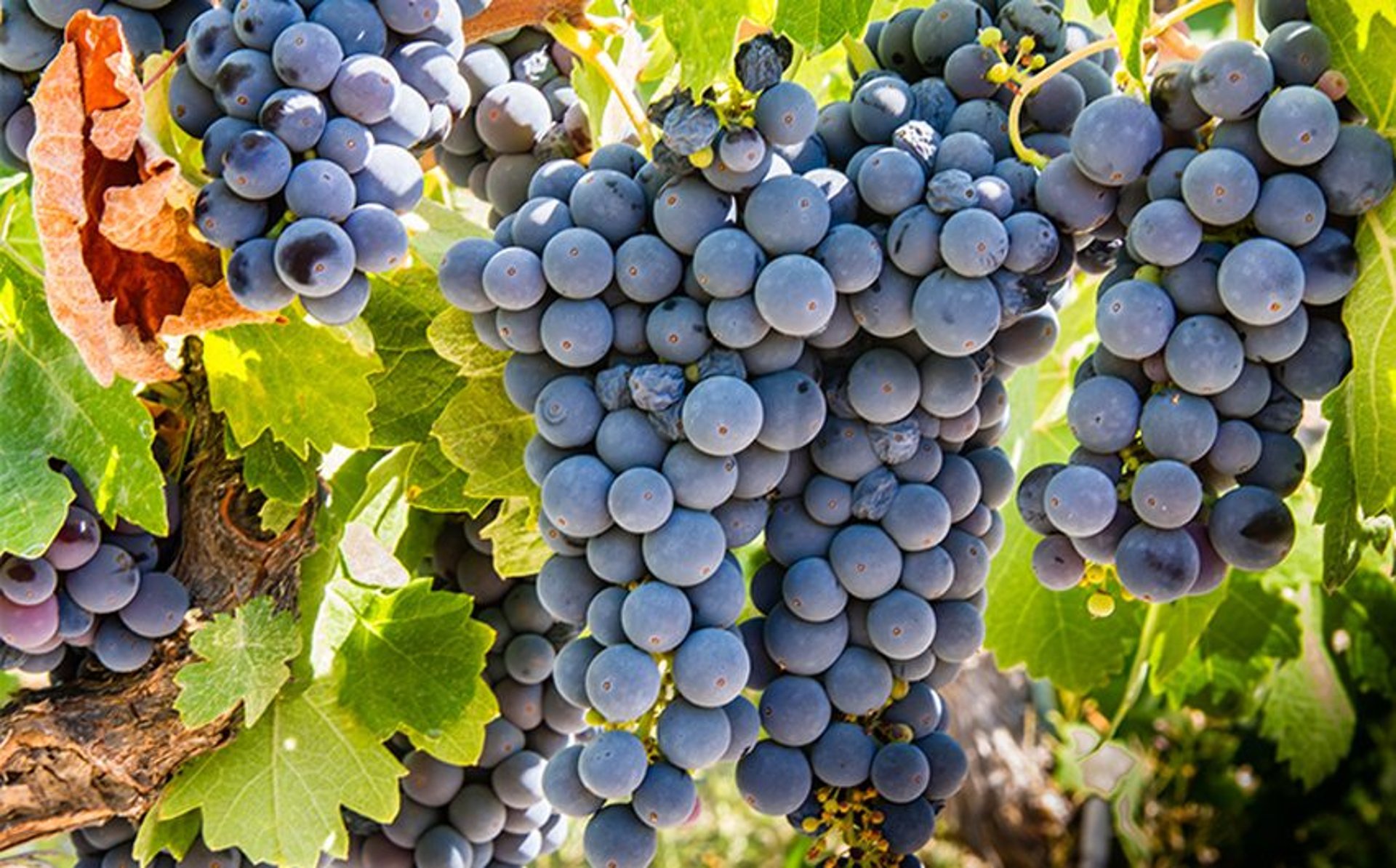
Grape: Sangiovese grapes are medium-sized, with thin skins and a dark color.
Aroma
Fruits: Typical Sangiovese aromas include red fruits like sour cherry, plum, and redcurrant, as well as black fruits like blackberry.
Spices: Notes of spices like oregano, thyme, and black pepper can also be present, adding complexity to the aroma.
Others: On some occasions, you might detect nuances of leather, tobacco, and even earthy notes.
Palate
Body: Sangiovese generally produces wines with a medium to full body, with soft to firm tannins, depending on the wine's style.
Acidity: Sangiovese's acidity is high, contributing to a sense of freshness and balance in the wine.
Finish: The finish is usually long and persistent, with the fruity, spicy, and earthy flavors lingering for a while.
Versatility and Adaptability
One of Sangiovese's great qualities is its versatility. This grape adapts very well to different climates and terroirs, which explains its presence in various Italian wine regions. It can be used to produce both varietal wines (made with only one type of grape) and in blends with other varieties like Cabernet Sauvignon and Merlot.
Featured Regions
Tuscany: Tuscany is the most emblematic region for Sangiovese, where it gives rise to iconic wines like Chianti Classico, Brunello di Montalcino, and Vino Nobile di Montepulciano.
Emilia-Romagna: The Emilia-Romagna region also stands out for its Sangiovese production, with wines that are fresh and fruity.
Umbria: Umbria is another Italian region where Sangiovese is cultivated, producing quality wines like Rosso di Montefalco and Torgiano Rosso Riserva.
Pairing
Sangiovese is an excellent companion for a variety of dishes, thanks to its versatility and flavor intensity.
Pasta: Pasta with hearty sauces, like bolognese sauce and meat ragu, pair very well with Sangiovese.
Meats: Grilled or roasted red meats, like lamb and veal, are great options to pair with Sangiovese.
Pizza: The acidity and tannins of Sangiovese beautifully balance the acidity of tomato sauce and the richness of cheese on a pizza.
Cheeses: Hard cheeses, like Parmigiano-Reggiano and Pecorino, are good options to pair with Sangiovese.