

SAUVIGNON BLANC
CASTAS
6/10/20264 min ler
Introdução e Origem
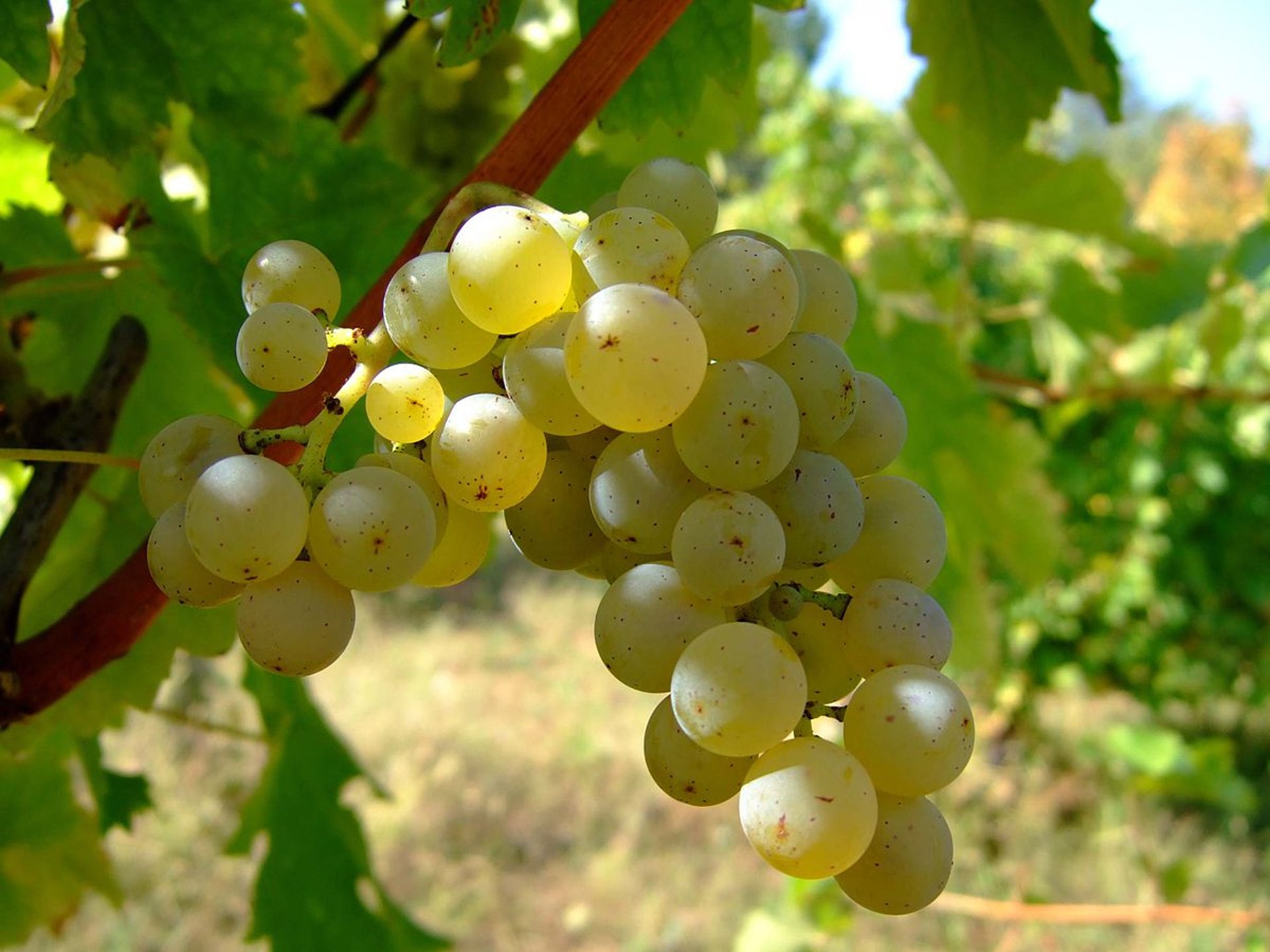
A Sauvignon Blanc é a segunda uva branca mais cultivada e famosa do mundo, podendo ser considerada a "princesinha" das uvas brancas, em contraponto à rainha Chardonnay. Originária do oeste da França, mais especificamente das históricas regiões de Bordeaux e do Vale do Loire, ela é responsável por originar alguns dos vinhos brancos secos mais refrescantes e intensamente aromáticos do planeta. Acredita-se que o seu nome derive da palavra francesa sauvage (selvagem), uma referência ao fato da uva ter sido domesticada precocemente a partir de videiras selvagens nativas.
História e Curiosidades
O Parentesco Famoso: A relevância genética da Sauvignon Blanc é monumental, pois através de um cruzamento espontâneo e acidental com a uva tinta Cabernet Franc, ela tornou-se a "mãe" biológica da Cabernet Sauvignon.
Identidades e Mutações: A uva possui mutações genéticas conhecidas, como a Sauvignon Rouge (de bagos escuros) e a Sauvignon Gris (de bagos rosados ou cinzas). Além disso, devido a uma confusão histórica, grande parte do que era cultivado e vendido no Chile como Sauvignon Blanc até a década de 1980 tratava-se, na verdade, da uva Sauvignon Vert (também conhecida como Sauvignonasse), trazida por engano de Bordeaux.
Dia de Celebração: O impacto cultural da uva é tão grande que ela possui uma data de celebração global própria: o Dia Internacional da Sauvignon Blanc ocorre no dia 3 de maio.
Características Vitivinícolas e Perfil do Vinho
A Videira e o Clima: Ao contrário da sua principal rival (a Chardonnay), a Sauvignon Blanc não se adapta bem a qualquer lugar, exigindo bastante das condições ambientais. Se cultivada em locais muito quentes, perde facilmente o seu frescor e os aromas; por isso, prospera e brilha de fato em climas mais frios e marítimos.
A Estrutura do Vinho: Produz vinhos visualmente muito translúcidos. No paladar, entrega corpo leve a médio, ausência de taninos e uma acidez altíssima e cortante. É essa acidez vibrante que provoca intensa salivação, criando um efeito de limpeza no paladar e uma refrescância inigualável.
Aromas Herbáceos (O Fator Verde): O aroma mais penetrante, inconfundível e clássico da casta é o "verde": notas de grama recém-cortada, pimentão verde, ervilha, aspargos e até jalapeño. Esses aromas vêm de compostos orgânicos chamados metoxipirazinas (uma herança que a uva transmitiu para a sua filha, Cabernet Sauvignon). Outro aroma muito real e exótico da uva é o de "xixi de gato", originado por um composto químico chamado 4MMP.
Frutas: Na parte frutada, varia de notas cítricas e brancas (limão siciliano, toranja, maçã verde, pêssego branco) nos climas frios, para uma explosão de frutas tropicais (maracujá, melão, abacaxi, manga) quando as uvas recebem mais sol.
Potencial de Guarda: Apesar de ser amada pelo seu frescor juvenil, os grandes exemplares possuem um notável potencial de envelhecimento na adega (de 1 a mais de 10 anos). Com a guarda, sua acidez amacia e ela desenvolve deliciosos e complexos aromas terciários umami, lembrando favo de mel, brioche tostado, torta de pêssego e creme de limão.
Principais Regiões Produtoras e Estilos
França (Vale do Loire): Entrega a versão mais focada na mineralidade, graças a solos ricos em sílex (pedra-pomes) e calcário Kimmeridgian. As famosas apelações de Sancerre e Pouilly-Fumé criam vinhos elegantes, vibrantes, contidos nas frutas e muito terrosos, muitas vezes com notas de pólvora (daí o uso do termo local Blanc Fumé, ou branco esfumaçado).
França (Bordeaux): Produz um estilo diferente, muito voltado ao uso do carvalho e ao contato com as borras da fermentação, misturando a uva frequentemente com a Sémillon. Nas denominações de Pessac-Léognan e Graves, gera brancos de corpo rico, com cera de abelha e notas de creme. A uva é essencial também na criação dos luxuosos vinhos doces de sobremesa de Sauternes e Barsac (como o icônico Château d'Yquem), onde um fungo benéfico concentra os açúcares.
Nova Zelândia (O Padrão do Novo Mundo): O país adotou a uva como uma assinatura nacional, em especial na região de Marlborough. Aliando a alta tecnologia a um clima frio e intensa radiação UV, os neozelandeses criaram uma revolução: vinhos explosivos aromaticamente, com altíssima acidez, notas agressivas de maracujá, toranja e potentes ervas amargas.
Estados Unidos: Cultivada amplamente em Washington (Yakima Valley) e na Califórnia. Foi lá que Robert Mondavi popularizou o uso de barricas americanas na casta, estilo que batizou de "Fumé Blanc", adicionando sabores de baunilha e creme ao vinho.
América do Sul: O Chile destaca-se com vinhos frescos vindos das regiões costeiras, como o Vale de Casablanca e Leyda. No Brasil, o grande destaque provém da Serra Catarinense, onde a alta altitude e o clima muito frio conseguem mimetizar o ambiente da Nova Zelândia e gerar ótimos exemplares.
Serviço e Harmonização Gastronômica
Serviço: Deve ser servido bem gelado, com temperaturas entre 7°C e 13°C (45-55°F), em uma taça padrão para vinho branco. A sua refrescância extrema permite que ele seja degustado sozinho com perfeição, na beira da praia ou da piscina.
A "Regra Verde" da Harmonização: Por ser um vinho repleto de tons herbáceos, ele casa magnificamente com pratos recheados de ervas frescas (coentro, hortelã, manjericão, alecrim, endro).
Pratos Asiáticos: Essa alta concentração de sabores frescos o torna um dos raros vinhos perfeitos para a cozinha tailandesa e vietnamita.
Queijos: A harmonização clássica regional infalível é misturar a acidez do vinho com queijo de cabra (chèvre). Combina também com queijos macios, como feta, burrata e mozzarella di bufala.
Carnes e Pescados: Funciona maravilhosamente bem para "limpar a gordura" de pescados brancos, tacos de peixe, ceviche, pratos da gastronomia japonesa, lula, caranguejo, ostras e peixes gordurosos como o salmão (inclusive defumado). Para carnes, prefira opções leves como frango e lombo suíno com tempero de limão