
Spain: Passion, Tradition, and the Power of Time
Decoding the Aging System: Understanding Crianza, Reserva, and Gran Reserva
12/11/20254 min read
Hola, wine lovers! For a long time, Spanish wine was known mostly for cheap bulk wine or traditional Sherry. But make no mistake: Spain is a powerhouse.
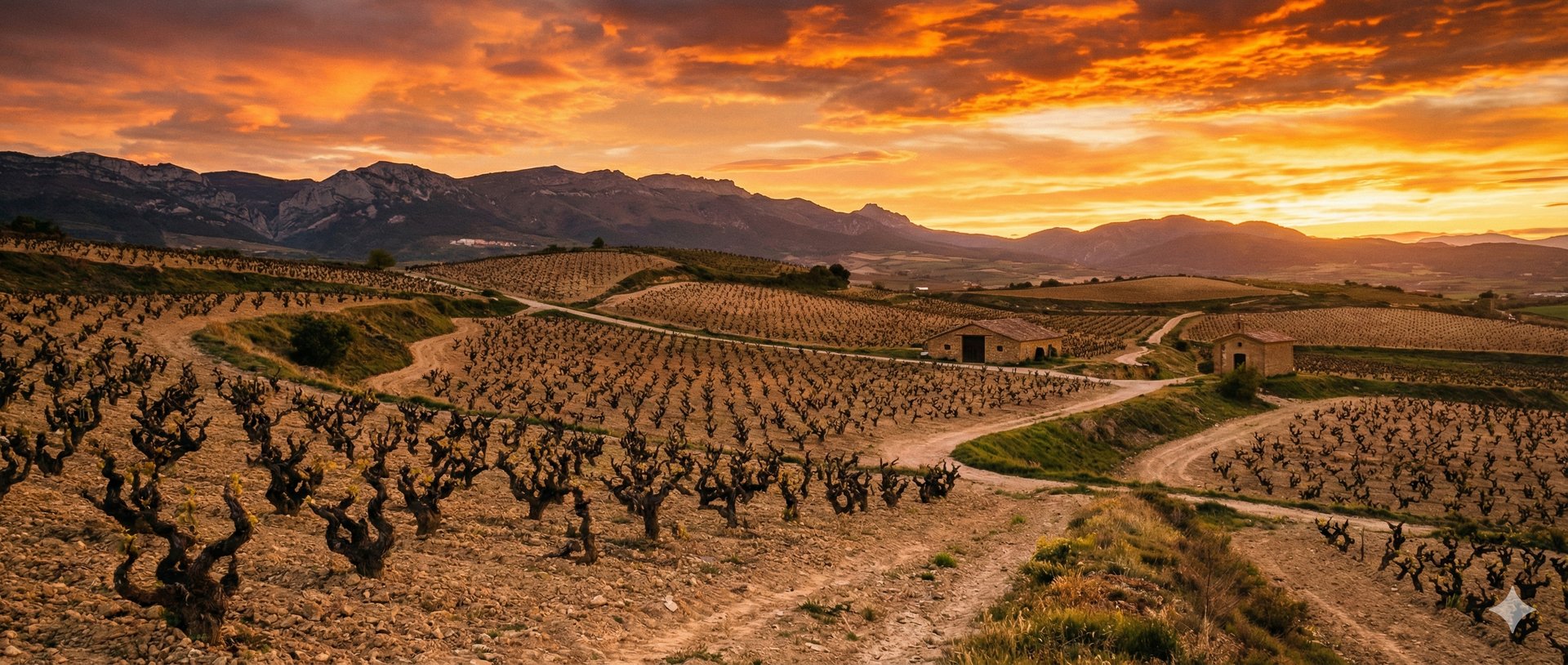
Home to the largest vineyard surface area on the planet, Spain offers an incredible variety of styles. From the crisp, salty whites of the Atlantic coast to the deep, brooding reds of the river valleys, Spanish wine is all about bold flavors and incredible value. Let’s dive into the land of tapas and Tempranillo.
A Sip of History: Romans, Monks, and Bordeaux
Spain has been making wine for thousands of years, since the time of the Phoenicians and Romans. However, the modern style of Spanish wine owes a huge debt to a crisis in France.
In the mid-1800s, when pests destroyed vineyards in Bordeaux, French winemakers crossed the border into the Rioja region of Spain. They brought their techniques with them—most importantly, the use of small oak barrels. This cross-cultural exchange created the signature Spanish style we love today: wines with vanilla, spice, and long aging potential.
Decoding the Label: The Aging System
Unlike other countries where terms like "Reserve" are just marketing fluff, in Spain, they are strict legal definitions. This system tells you exactly how long the wine spent in the barrel and the bottle before release.
Joven (Young)
These wines see little to no oak aging. They are meant to be drunk fresh and fruity.
Crianza
Red Wines: Must be aged for at least 2 years, with at least 6 months in oak barrels.
Style: A great balance between fresh fruit and light oak spice. Perfect for everyday drinking.
Reserva
Red Wines: Must be aged for at least 3 years, with at least 1 year in oak.
Style: Higher quality grapes are used. These wines are complex, rich, and serious.
Gran Reserva
Red Wines: Must be aged for at least 5 years, with at least 18 months in oak (though most producers age them much longer).
Style: Made only in the best vintage years. These wines are savory, earthy, and incredibly smooth.
Major Wine Regions: From Coast to Desert
Spain is vast, but these are the essential regions you need to know to navigate a wine list:
Rioja
The most famous region in Spain. Located in the north-central part of the country.
Best for: Classic, oak-aged Tempranillo blends that taste of red berries, leather, and vanilla.
Ribera del Duero
Rioja’s main rival. Located along the Duero River, the climate here is extreme (hot days, cold nights).
Best for: Powerful, dark, and full-bodied Tempranillo wines.
Priorat
A rugged, mountainous region near Barcelona. It became famous in the 1990s for its unique slate soils called Llicorella.
Best for: Intense, mineral-driven reds made from Garnacha and Cariñena.
Rías Baixas
Located in the cool, green northwest (Galicia), right above Portugal.
Best for: Albariño, a crisp, aromatic white wine that pairs perfectly with seafood.
Cava (Penedès)
Spain’s answer to Champagne.
Best for: High-quality sparkling wines made using the traditional method, but sold at a fraction of the price of French bubbles.
Jerez (Sherry)
The hot, dry south.
Best for: Sherry, a unique fortified wine ranging from bone-dry (Fino) to dessert-sweet (Pedro Ximénez).
The Grapes: Tempranillo and Friends
While Spain has many native grapes, one king rules them all.
Top Red Grapes
Tempranillo: The star of Spain. It goes by many names (Tinto Fino, Ull de Llebre). It loves oak and offers flavors of cherry, plum, and tobacco.
Garnacha (Grenache): Used for fruit-forward reds and rosés. It thrives in hot climates.
Monastrell (Mourvèdre): Common in the south, producing meaty, spicy, and high-alcohol wines.
Top White Grapes
Albariño: The flagship white grape. Peachy, citrusy, and floral.
Verdejo: Crisp and herbaceous, somewhat similar to Sauvignon Blanc.
Viura (Macabeo): The workhorse white grape of Rioja, often used for oaked white wines and Cava.
Production Statistics
Spain is a giant in the global wine industry. According to the OIV (International Organisation of Vine and Wine) recent reports:
Vineyard Area: Spain has the #1 largest vineyard surface area in the world (over 950,000 hectares).
Volume: It typically ranks #3 in production volume (after Italy and France), producing around 35 to 40 million hectoliters annually. The lower yield per hectare is often due to the dry climate and old vines.
Renowned Producers and Wineries
From ancient cellars to architectural marvels, these names represent the best of Spain:
Vega Sicilia: The most legendary estate in Spain (Ribera del Duero). Their wines are investment-grade luxury.
López de Heredia (Viña Tondonia): An ultra-traditionalist in Rioja. They age their wines for years longer than the law requires before releasing them.
Familia Torres: Based in Penedès but active everywhere. A pioneer in modern winemaking and environmental sustainability.
Marqués de Riscal: A historic Rioja producer known for its consistent quality and its stunning hotel designed by Frank Gehry.
Alvaro Palacios: The visionary winemaker credited with putting the Priorat region on the world map.
Iconic Wines: The Spanish Royalty
If you want to experience the pinnacle of Spanish enology, look for these bottles:
1. Unico (Vega Sicilia)
The "Unique" one. A blend of Tempranillo and Cabernet Sauvignon aged for ten years or more before release. It is complex, elegant, and timeless.
2. L'Ermita (Alvaro Palacios)
A single-vineyard Garnacha from Priorat. It proved that Spain could produce world-class wines outside of Rioja.
3. Viña Tondonia Gran Reserva (López de Heredia)
Whether white or red, these wines are time capsules. They are released only when they are ready to drink, offering a taste of history in a glass.
Conclusion: Passion in Every Glass
Spain is the perfect place to explore if you love bold flavors and history. Whether you are opening a fresh bottle of Cava for a celebration or decanting a Gran Reserva for a steak dinner, Spanish wine brings a warmth and passion that is undeniable. Salud!