

The Bordeaux Big Five: A Guide to the First Growths
The Most Important List in Wine History
1/22/20263 min ler
Imagine a list of the most famous people in the world. Now, imagine if that list stayed almost exactly the same for over 170 years. In the wine world, that list actually exists. It is known as the 1855 Classification of Bordeaux.
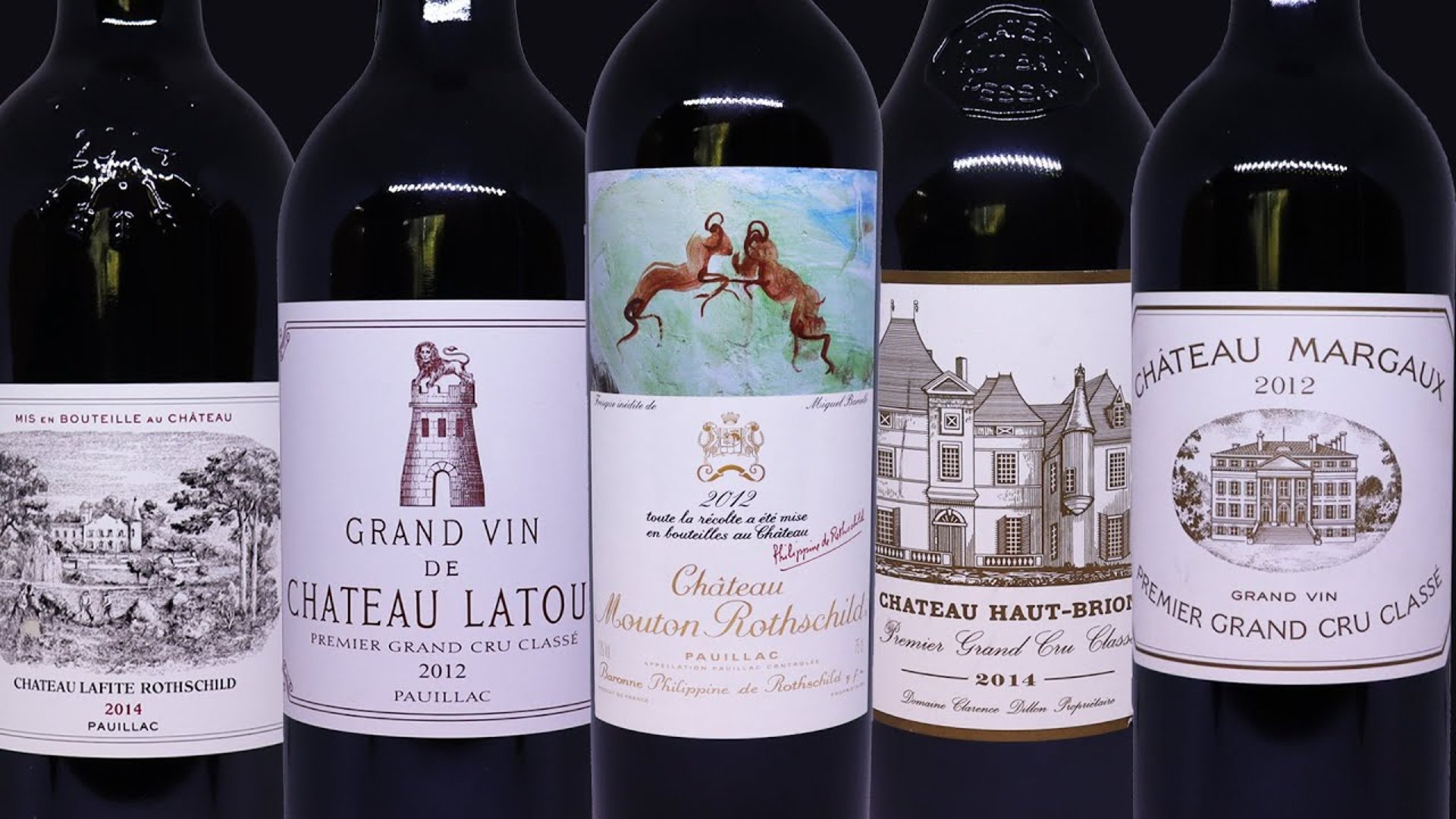
Back in 1855, Emperor Napoleon III wanted a way to show off the best French wines at the Universal Exposition in Paris. He asked wine brokers to rank the top estates based on their reputation and price. The very top tier was called Premier Cru, or First Growth. Only four wineries made the cut originally, with a fifth one joining later in 1973. Today, these "Big Five" are the ultimate status symbols in any wine cellar.
What Makes a First Growth Special
You might wonder why these five estates are so much more famous than their neighbors. It starts with the soil. These properties are located on the best gravel mounds in the Medoc region, providing perfect drainage for the vines.
Beyond the dirt, it is about obsession. These wineries have unlimited budgets to ensure quality. They use the most advanced technology, the finest French oak barrels, and a ruthless selection process. If the grapes in a certain year aren't perfect, they simply won't use them for their top wine. This consistency over centuries is what creates their legendary prestige.
Meet the Legends: The Left Bank Icons
Each of the First Growths has a unique "personality" and style. All of them are blends, usually dominated by Cabernet Sauvignon.
Chateau Lafite Rothschild (Pauillac)
Lafite is often called the most elegant of the five. It is famous for its delicate, floral aromas and its incredible ability to age for 50 years or more. Historically, it was a favorite of King Louis XV and has been owned by the Rothschild family since 1868.
Chateau Latour (Pauillac)
If Lafite is the elegant ballerina, Latour is the powerful gladiator. Known for being the most consistent winery in Bordeaux, it produces intense, tannic, and muscular wines. Even in "bad" weather years, Latour manages to make something spectacular.
Chateau Margaux (Margaux)
This is the only First Growth not located in the Pauillac or Pessac districts. Margaux is famous for its "perfumed" quality. It is incredibly silky and refined, often described as the most feminine and charming of the group. The beautiful Palladian villa on the estate is just as famous as the wine.
Chateau Haut-Brion (Pessac-Leognan)
This is the outsider of the group. It is located right on the outskirts of the city of Bordeaux and was the only winery from outside the Medoc region included in the 1855 list. It is the oldest of the five, with a history dating back to the 1500s. Its wines are known for a unique earthy, smoky, and mineral character.
Chateau Mouton Rothschild (Pauillac)
The rebel of the bunch. Mouton was originally ranked as a Second Growth in 1855. After decades of intense lobbying by Baron Philippe de Rothschild, it was promoted to First Growth in 1973—the only change ever made to the top of the list. Mouton is famous for its bold, flamboyant style and its artist labels, which change every year and have featured legends like Picasso and Dali.
Investing in Liquid Gold
Buying a bottle from one of the Big Five is not like buying a regular bottle of wine. It is an investment. Because these wines can age for decades and are recognized everywhere in the world, they often increase in value over time.
Collectors often buy them En Primeur, which means they purchase the wine while it is still aging in the barrel, years before it is even bottled. This high-stakes world of wine futures is driven almost entirely by the reputation of these five estates.
Conclusion: A Taste of Perfection
Most of us may not drink a First Growth every day, but understanding them is key to understanding the wine world. They represent the peak of what Cabernet Sauvignon can achieve when combined with history, perfect soil, and a commitment to being the best. They are the benchmarks by which all other red wines are measured. Whether you ever get to sip one or not, the story of the Bordeaux Big Five is a testament to the enduring power of quality and tradition.