


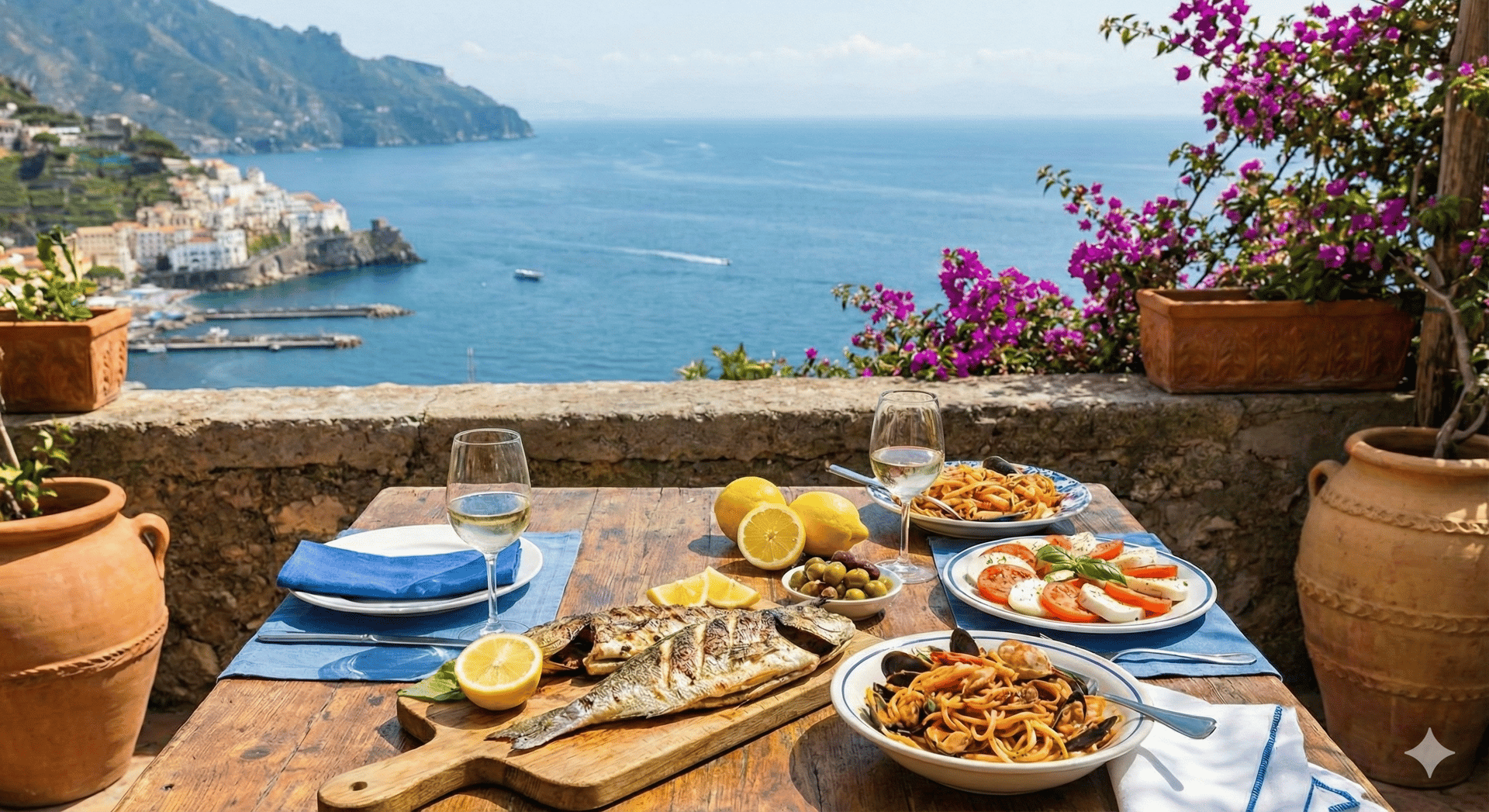
White Wine Pairing
Freshness, Acid, and Texture
1/29/20262 min ler
White wine is the true secret weapon of the dining room. While red wine often grabs the spotlight with steak, white wine’s natural acidity makes it a superior partner for an incredibly wide range of flavors, from salty appetizers to creamy sauces and spicy cuisines.
When pairing white wine, we shift our focus away from tannins and toward Acidity and Body. High acidity in wine acts much like a squeeze of lemon over a dish—it brightens flavors, cuts through salt, and cleanses the tongue after eating something rich or fatty. Understanding the weight of the wine, from zesty and light to rich and oaked, is the key to creating a perfect match.
Light-Bodied and Zesty: The "Squeeze of Lemon"
Wines in this category, such as Sauvignon Blanc, Pinot Grigio, Vinho Verde, and Albariño, are known for their high energy and crispness. They are usually fermented in stainless steel to preserve their bright fruit and floral notes.
These wines are the natural partners for anything that comes from the sea. Raw oysters, grilled white fish, and ceviche are classic pairings because the wine’s acidity mirrors the citrus juices often used in these dishes. Beyond seafood, light and zesty whites are perfect for fresh green vegetables, such as asparagus, peas, and salads with vinaigrette dressings—dishes that would make most red wines taste metallic or bitter. If you are serving goat cheese (Chèvre) or salty feta, the sharp tang of a Sauvignon Blanc is a brilliant counterpoint.
Aromatic and Off-Dry: The Spicy Food Solution
Wines like Riesling, Gewürztraminer, and Chenin Blanc often have intense floral aromas and, sometimes, a touch of residual sugar. This slight sweetness is not just for dessert; it is a functional tool for pairing.
These are the absolute best wines for spicy cuisines, such as Thai, Vietnamese, or spicy Indian curries. Capsiacin (the heat in chili) is amplified by alcohol and tannins but is calmed by sugar and acidity. A cold, slightly sweet Riesling acts like a fire extinguisher for spicy food. These aromatic wines also pair beautifully with "sweet and savory" combinations, like pork with apple sauce, duck with orange, or complex Asian dishes featuring ginger and lemongrass.
Full-Bodied and Rich: The Creamy Companion
This category is dominated by Chardonnay (especially those aged in oak), but also includes Viognier and White Rioja. These wines have a heavier weight, a creamier texture, and often flavors of vanilla, butter, and toasted nuts.
The golden rule for rich whites is to match "like with like." A buttery, oaked Chardonnay is the perfect partner for dishes with creamy sauces, butter-poached lobster, or roasted poultry. The weight of the wine matches the weight of the food. These wines also have enough soul to stand up to richer flavors like roasted mushrooms, squash, and even nuts. If you are serving a soft, creamy cheese like Brie or Camembert, a full-bodied white is a far better partner than a tannic red, as the creaminess of the cheese and the wine blend together seamlessly.
The Salt and Acid Connection
One of the most important principles in white wine pairing is how acid interacts with salt. If you have a very salty dish—think of fried calamari, salty ham, or popcorn—a high-acid white wine will actually taste fruitier and less tart. This is why a crisp sparkling wine or a zesty Albariño is so satisfying with salty snacks. The salt rounds out the wine’s edges, making the pairing feel balanced and refreshing.
Conclusion: Balance and Brightness
The goal of pairing white wine is to maintain the "brightness" of the meal. Whether you are using a zesty Sauvignon Blanc to cut through a fried dish or a rich Chardonnay to complement a creamy pasta, the wine should provide a refreshing lift. By paying attention to the intensity of the flavors and the level of acidity needed to balance the fat or salt in your dish, you can elevate even the simplest lunch into a gourmet experience.