

A Modern Guide to the Chianti Wine Region
REGIONS
3/11/20265 min read
For decades, the word "Chianti" conjured up a very specific image in the minds of American wine drinkers: a rotund, cheap straw-covered bottle (called a fiasco) sitting on a red-and-white checkered tablecloth in a nostalgic Italian restaurant. It was charming, sure, but the wine inside was often an afterthought—thin, overly acidic, and meant to be gulped, not savored.
Fortunately for wine lovers, that image is ancient history. Today, the Chianti wine region is producing some of the most vibrant, complex, and high-quality red wines in the world. As your Wine Tasty Partner, I'm here to take you on a journey through the rolling Tuscan hills to understand why this region is so iconic, what the "Black Rooster" actually means, and why your next glass of red should probably be a Chianti Classico.
Let’s leave the straw bottles behind and explore the real deal.
Where in the World is Chianti?
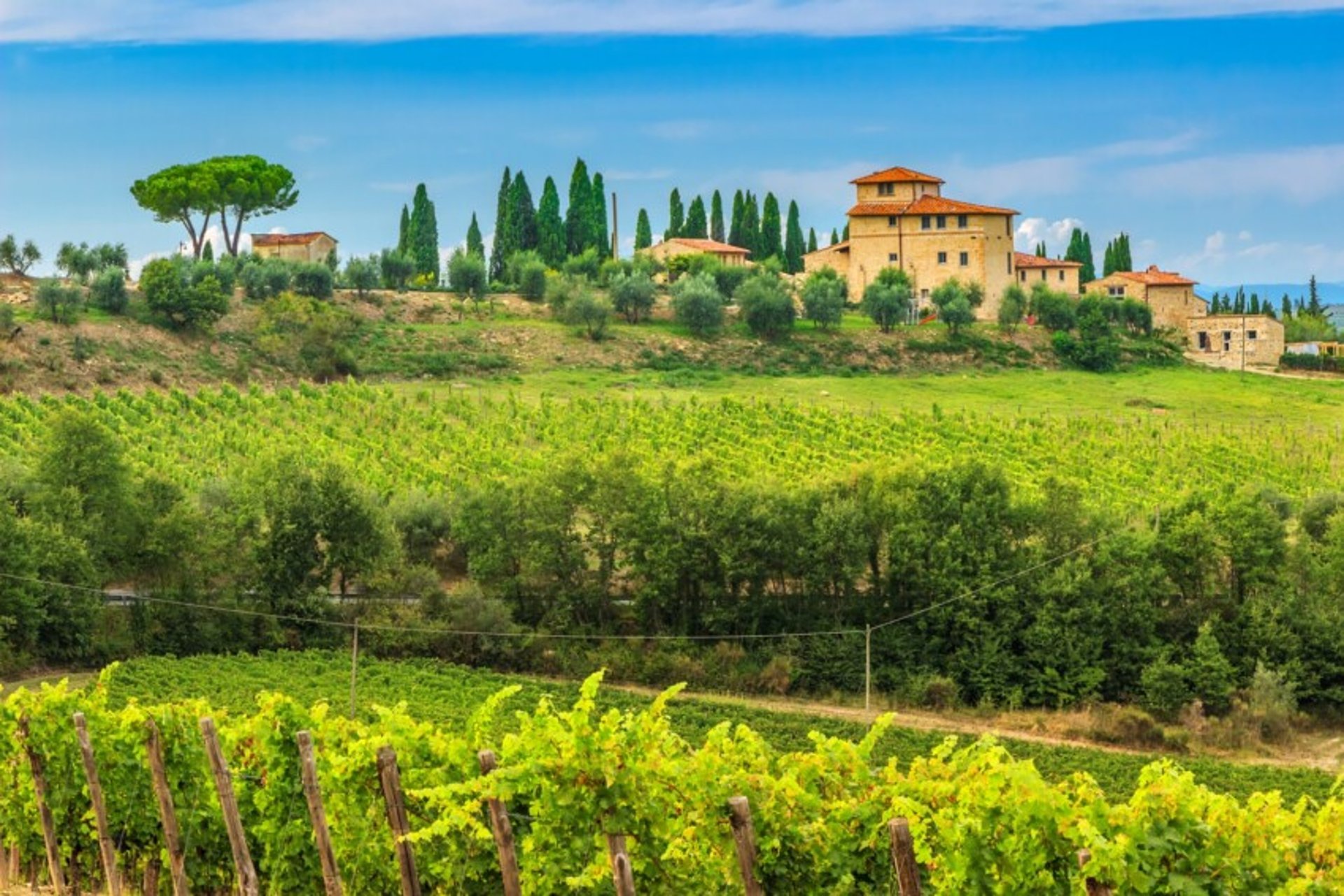
First, let’s get our bearings. Chianti is not just a type of wine; it is a stunningly beautiful region in Tuscany, Italy. Roughly speaking, it stretches across the picturesque hills between the Renaissance art hub of Florence to the north and the medieval gem of Siena to the south.
Think of Chianti as the heartland of Tuscan viticulture. It’s a landscape of cypress trees, ancient stone farmhouses, olive groves, and, of course, endless rows of grapevines thriving under the warm Italian sun.
Sangiovese: The Heartbeat of Chianti
If Chianti is the body, Sangiovese is its soul. Under Italian law, Chianti must be a blended wine, but the star player, by a long shot, must be the indigenous Sangiovese grape.
To legally be called Chianti, the wine must contain at least 70% Sangiovese (this goes up to 80% for Chianti Classico). The remaining percentage can be made up of other local red grapes like Canaiolo Nero or Colorino, or even international heavyweights like Cabernet Sauvignon and Merlot.
Why is Sangiovese So Special in Chianti?
Think of Sangiovese as that friend who is extremely expressive but has a sharp, witty side. It thrives in the specific soils of Chianti (a mix of clay and shale known as Albarese and Galestro).
This grape doesn't produce those massive, mouth-coating "fruit bombs" you might find in some warm-climate New World wines. Instead, it offers:
Zesty Acidity: This is Sangiovese’s superpower. It makes the wine incredibly refreshing and makes your mouth water, which is essential for pairing with food.
Bright Fruit & Earthy Notes: Expect flavors of tart red cherry and red currant, often mixed with complex, savory notes of dried herbs, tobacco, balsamic, and wet earth.
Structured Tannins: Tannins are the compounds that give wine its "grip" or drying sensation in your mouth. Chianti has plenty of them, giving the wine a great structure that allows it to age well.
The Big Confusion: Chianti vs. Chianti Classico
This is the number one point of confusion for consumers, but it’s crucial for understanding quality and history. Are "Chianti" and "Chianti Classico" the same thing? In short: No.
Chianti DOCG (The Broad Region)
"Chianti" refers to the broad, encompassing area that covers much of central Tuscany. Within this larger zone, there are several sub-zones (like Chianti Colli Senesi or Chianti Rufina). Wines labeled simply "Chianti" are often made in a slightly softer, more approachable style, intended to be drunk young.
Chianti Classico DOCG (The Historic Heart)
Chianti Classico is the real deal. It is a completely separate and distinct DOCG (Denominazione di Origine Controllata e Garantita, Italy's highest classification). It refers specifically to the original, historic "heartland" zone where Chianti wine production first began centuries ago.
Chianti Classico must contain at least 80% Sangiovese, has stricter production rules, and is generally considered to produce more complex, age-worthy, and prestigious wines.
Meet the Gallo Nero: The Black Rooster
How can you tell the difference at a glance? Look for the Black Rooster (Gallo Nero). This distinctive symbol is on the neck or back label of every bottle of true Chianti Classico. It’s the official seal of the consortium of producers and is a guarantee of origin and quality standard.
Wait, what’s the story behind the rooster? Legend has it that in the 13th century, the warring city-states of Florence and Siena sought to finalize their borders. They decided on a race. At dawn, when the rooster crowed, a horseman from each city would ride toward the other. Where they met would be the border. Siena chose a white rooster, feeding it well. Florence chose a black rooster and essentially starved it, keeping it in a dark coop. Driven mad by hunger and darkness, the black rooster crowed long before dawn. The Florentine rider got a massive head start, meeting the Sienese rider just 12 kilometers from Siena. Thus, nearly all of Chianti became Florentine territory, and the "Gallo Nero" became the area's emblem.
Understanding the Quality Pyramid
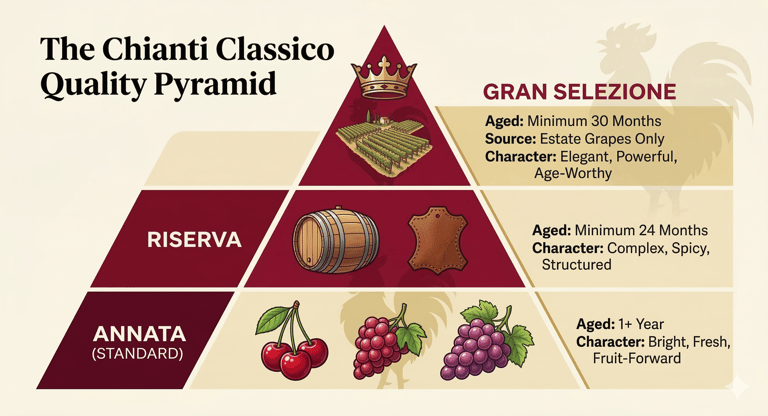
To help consumers understand what’s in the bottle, Chianti Classico uses a three-tier quality pyramid based on aging and vineyard sourcing.
Chianti Classico Annata (Standard): The foundation of the pyramid. These wines are typically released 1-2 years after harvest. They are vibrant, fresh, fruit-forward, and showcase the bright Sangiovese acidity and red cherry notes. Excellent for everyday drinking.
Chianti Classico Riserva: This is the next step up. A Riserva must be aged for at least 24 months (including at least 3 months in the bottle) before release. These wines are made from higher-quality grapes, often from older vineyards. You’ll notice deeper color, softer tannins, and complex aromas of spice, leather, and dried fruit alongside the cherry.
Chianti Classico Gran Selezione: The absolute pinnacle, introduced in 2014. These wines are the crème de la crème. They must be made from estate-grown grapes (either from a single designated vineyard or a blend of the estate's best parcels) and aged for a minimum of 30 months. They are powerful, elegant, structured, and designed to age for decades.
How to Enjoy Your Chianti (It Loves Food!)
Because of that bright acidity and structured tannin profile, Chianti is practically designed to be enjoyed with food. It "cuts through" fat and complements savory flavors better than almost any other wine.
Forget the standard "red wine with steak" advice for a moment. Instead, try this:
The Perfect Partner: Anything Tomato-Based. Think spaghetti bolognese, lasagna, or a classic Neapolitan pizza. The wine's acidity matches the acid in the tomatoes perfectly, unlocking amazing flavor in both.
Rich Meats: Yes, it pairs beautifully with grilled meats like Bistecca alla Fiorentina (a massive T-bone steak), but it also loves braised meats, sausages, and anything with a bit of fat or salt.
Charcuterie & Cheese: A simple platter of prosciutto, salami, and, most importantly, Pecorino Toscano (sheep’s milk cheese) is a match made in heaven.
For service, pour your Chianti at a "cool room temperature"—around 60–65°F (15–18°C). A standard large-bowled red wine glass is perfect. For a Riserva or Gran Selezione, giving it some time to breathe in a decanter will allow the complex aromas to open up.
Time for a Taste
The story of Chianti is a story of transformation. From a humble, rustic table wine to a world-class competitor, it has reclaimed its crown. Whether you're sipping a vibrant Chianti Classico Annata on a Tuesday night or cellaring a prestigious Gran Selezione for a special occasion, you are tasting the history, culture, and passion of one of Italy's greatest wine regions.
Cin cin! To great wine and even better company.