

Hidden Gems: The Rise of the Forgotten Regions
2/15/20263 min ler
Beyond the Famous Borders
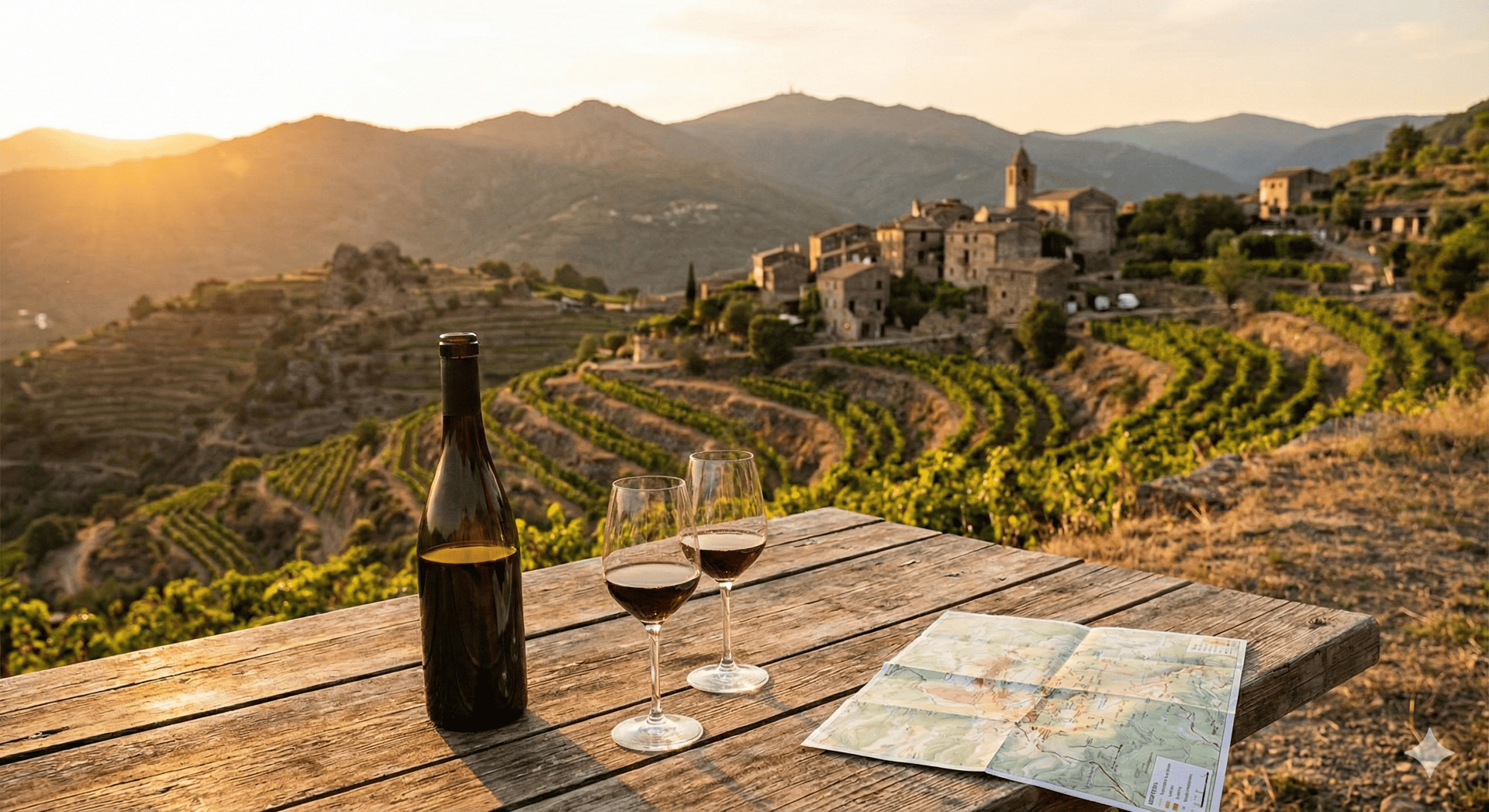
For a long time, the map of "fine wine" was very small. If a wine didn't come from a handful of famous valleys in France, Italy, or California, it was often considered "table wine." But the world has changed. Today, the most curious wine lovers are looking away from the crowded tourist paths and toward regions that were either forgotten by history or were once considered too difficult to farm.
These regions are now the "new frontiers" of viticulture. They offer something that money cannot buy in a famous region: ancient vines, unique soil types, and a style of wine that feels honest and unpolished. Whether it is the side of a volcano or a hidden valley in the Andes, these forgotten regions are now producing the world’s most exciting bottles.
Mount Etna: Wine from the Volcano’s Edge
In Sicily, the towering Mount Etna is one of the world's most active volcanoes. For decades, the steep, ash-covered slopes were abandoned because they were too dangerous and difficult to work. However, in the last few years, Etna has become the "Burgundy of the Mediterranean."
The volcanic soil and high altitude create wines with incredible elegance and "electric" energy. The local red grape, Nerello Mascalese, produces pale, spicy, and mineral wines that taste like a mix of Pinot Noir and fine Nebbiolo. To drink an Etna wine is to taste the smoke, the stone, and the fire of the volcano itself.
Itata Valley: Chile’s Ancestral Heart
While most people associate Chile with modern, industrial Cabernet Sauvignon, the Itata Valley in the south tells a completely different story. This is where the first vines were planted in the 1500s. For centuries, it was forgotten because it was too far from the capital and its wines were too "rustic."
Today, Itata is a treasure trove of "Old Vines." You can find 100-year-old País and Muscat vines growing as bushes (goblet style) without any irrigation. These wines are light, vibrant, and full of personality. Itata represents the "soul" of Chile—a place where tradition never stopped, even when the world wasn't watching.
The Jura: France’s Best-Kept Secret
Nestled between Burgundy and the Swiss Alps, the Jura was a forgotten mountain region for almost a century. It was known only for its strange "Yellow Wine" (Vin Jaune), which ages under a layer of yeast like Sherry.
Now, the Jura is the darling of the "natural wine" movement. Its cool climate and limestone soils produce white wines from the Savagnin grape that are incredibly sharp, nutty, and complex. It is a region for those who love adventure in a glass, offering flavors that don't exist anywhere else in France.
Emerging Heights: Serra da Mantiqueira, Brazil
A news section for a Brazilian enthusiast wouldn't be complete without mentioning the "winter wines" of the Serra da Mantiqueira. By using the innovative "double pruning" technique, winemakers in the mountains of Minas Gerais and São Paulo have hacked the climate, allowing grapes to ripen during the dry, sunny winter instead of the rainy summer.
While still "new" on the global stage, the Syrahs and Sauvignon Blancs from this region are winning international awards and proving that fine wine can thrive in unexpected places. It is a perfect example of how human ingenuity can rediscover a region’s potential.
Why These Regions Matter
Forgotten regions are important because they preserve biodiversity and tradition. When we buy wine from a small producer in Itata or Etna, we are helping to keep ancient vineyards alive that would otherwise be pulled out to plant more "commercial" crops. These wines offer a sense of place that is rare in a globalized world; they taste like the wind, the soil, and the hands of the people who made them.
Map Your Own Adventure
The map of the wine world is expanding every day. The legendary estates will always have their place, but the true excitement right now is found in the "hidden gems." Exploring forgotten regions is a way to stay curious and to find incredible quality at prices that haven't yet exploded. So, the next time you look at a wine list, look for the name you don't recognize—it might just be your new favorite destination.